If you’ve ever stood in a fabric store, flipping through bolts of cotton and wondering what it’s actually good for beyond t-shirts or bed sheets, I get it. I’ve heard so many questions from small apparel brands, independent sewers, and even boutique shop owners who stop by my trade show booth or slide into my DMs asking: can cotton fabric really hold up when making shorts? Let me start with a little context— I’ve been in the cotton fabric supply business for 12 years, talking to sewers, designers, and production teams every single day, and the short answer is: absolutely. But let’s break this down beyond the quick yes, because not all cotton is created equal, and there are reasons why this is still one of the most popular choices for shorts in the apparel industry, from fast fashion lines to high-end sustainable brands. Cotton Fabric

First, let’s talk about what makes cotton such a natural fit for shorts, especially for warm weather wear. Shorts, at their core, are designed for comfort—you’re wearing them when the temperature climbs, when you’re outside gardening, walking the dog, or spending a day at a music festival. Cotton is a breathable fiber; its structure has tiny, hollow pockets that let air circulate close to the skin, which helps pull moisture (sweat) away from your body so it can evaporate quickly. That’s a huge difference from synthetic fabrics like polyester, which trap heat and leave you feeling sticky after just a few minutes of activity. I remember a brand that came to me two years ago, upset because their first line of shorts made with polyester were returning at a 15% rate because customers said they were too hot. They switched to a medium-weight combed cotton fabric from my inventory, and their return rate dropped to under 2% in their next collection. That’s the kind of real-world result you can’t get from a random blog post—That’s what comes from working with cotton every day.
But comfort isn’t the only thing people want in shorts. They need to hold up to wear and tear, right? Shorts are prone to stretching at the waistband, fading after a few washes, and pilling along the seams or inner thighs. Not all cotton fabrics handle this equally, though. If you grab a cheap, lightweight cotton poplin that’s loosely woven, it might stretch out after two wears, or even tear at the crotch seam if you’re active. But if you choose a tighter weave, like a twill cotton (think the same kind used in classic chino shorts) or a medium-weight cotton canvas, that’s a different story. I supply a lot of small batch designers who make casual workwear shorts, and they swear by 8 oz. cotton canvas because it’s durable enough to stand up to construction work or hiking, but still soft enough to be comfortable all day. Even for casual everyday shorts, a 5 oz. to 6 oz. combed cotton or ring-spun cotton strikes the perfect balance—It’s not too flimsy, it won’t pill as badly as lower-quality cotton, and it holds its shape even after 10+ washes.
Another big factor people ask about is versatility. Cotton shorts aren’t just one style—You can make everything from formal dress shorts to beach shorts to workout shorts with the right type of cotton. Let’s say you want to make a pair of linen-blend shorts that look polished enough for a lunch date, but still cool for a summer afternoon. A cotton-linen blend is perfect here; it combines the breathability of linen with the durability and wrinkle resistance of cotton, so your shorts don’t look like you slept in them after an hour of wearing. For beach shorts, a lightweight cotton jersey is great—it’s soft, stretchy, and dries quickly enough if you step in a puddle or go wading. For workwear or athletic-style shorts, a stretch cotton blend (cotton with a small percentage of spandex, usually 2-5%) gives you the give you need for bending, reaching, or running, without the synthetic feel of a full spandex short. I’ve seen every single one of these styles come through my supply chain, and cotton is the base for almost all of them.
Now, let’s address the common myths people have about cotton shorts, because there are a few that stop people from choosing it over synthetics. The biggest one is that cotton shrinks. That’s only true if you don’t pre-wash and pre-shrink your fabric before cutting. As a cotton supplier, we always recommend that our customers pre-treat their cotton fabric with a cold water wash and tumble dry on low before starting a project. Most high-quality cotton fabrics we supply are pre-shrunk at the mill, but pre-washing just ensures that any leftover shrinkage happens before you sew, so your finished shorts will stay the same size, wash after wash. I had a customer last year who tried to skip the pre-wash step on a bulk order of cotton shorts, and half of his first production run shrank 2 inches in length after the first wash. We adjusted our guidance, and now that same customer orders 500+ yards of cotton fabric from us every quarter. The lesson here? It’s not that cotton shrinks—it’s that poor preparation leads to shrinkage.
Another myth is that cotton is bad for outdoor activity, like running or hiking. Again, that’s only if you use the wrong type of cotton. Heavy canvas cotton might be too hot for a 5-mile run, but a lightweight, moisture-wicking cotton is actually a great choice. Wait, moisture-wicking cotton? Yes, it’s a type of cotton that’s been engineered with tiny fiber modifications to pull moisture away from the skin faster than regular cotton, and it’s become really popular for activewear shorts over the last five years. I started carrying a moisture-wicking cotton line three years ago, and it’s now one of my top-selling cotton fabrics for athletic shorts brands. It’s breathable like regular cotton, but it doesn’t stay wet and heavy like traditional cotton when you sweat—That’s a game-changer for anyone who’s ever worn a pair of cotton shorts that turned water-logged after a long run.
Of course, there are times when cotton might not be the best choice, but that’s true for any fabric. If you’re making shorts for a professional sport where you need a very tight, supportive fit, a blend of spandex and polyester might work better, but even then, many college track teams now use cotton-blend shorts for practices because of the comfort factor. If you’re making shorts that will be worn in extremely rainy conditions, a water-resistant synthetic is more practical, but you can always treat cotton with a waterproof coating if you want the look of cotton with added water protection. For the vast majority of short types—casual, everyday, work, beach, even active—cotton is more than capable.
Let me also talk about why sustainability is a big part of this conversation, because so many of the people I work with now care about ethical production. Cotton is one of the most widely used natural fibers in the world, and when it’s grown responsibly, it’s a much more sustainable choice than polyester. Polyester is a plastic-based fiber that takes hundreds of years to decompose, and every time you wash a polyester garment, it sheds microplastics that end up in oceans and waterways. Cotton, on the other hand, is biodegradable, and many farmers (including the ones I work with) use organic growing practices that don’t use toxic pesticides or synthetic fertilizers. I supply a line of GOTS-certified organic cotton fabric, and brands that focus on sustainable apparel love it because it appeals to customers who want to reduce their fashion footprint. Even for small, independent sewers, organic cotton is accessible now—we carry it in weights from 4 oz. to 12 oz., so it works for everything from tiny toddler shorts to heavy-duty work shorts.
I’ve seen first-hand how a great cotton fabric can make a pair of shorts sell. Last summer, a small brand I supply made a line of vintage-style cotton twill shorts, and they sold out of their initial 1,000 pairs in three weeks. Their customer reviews were full of comments about how soft they were, how they didn’t ride up when walking, and how they got softer with every wash. That’s the kind of word-of-mouth that makes apparel successful, and it all starts with the right fabric. When a customer feels comfortable in a garment, they come back for more—and cotton delivers that comfort consistently.
Now, if you’re someone who’s thinking about making shorts with cotton, there are a few tips I can pass along after years of working with fabric. First, match the weight of the cotton to the type of shorts you’re making. For lightweight summer shorts, go for 4-5 oz. combed cotton or cotton jersey. For casual everyday shorts, 6-7 oz. twill or poplin works great. For workwear or hiking shorts, 8-10 oz. canvas or heavy twill is ideal. Second, always pre-wash your fabric before cutting—this eliminates shrinkage and also softens the fabric a bit more, making your finished shorts even more comfortable. Third, if you want stretch, stick to blends with 2-5% spandex; more than that and you’ll lose the natural feel of cotton.
At the end of the day, the question “can cotton fabric be used for making shorts?” isn’t just a yes or no—it’s about how you choose to use it. As a cotton fabric supplier, I’ve seen every possible outcome when it comes to cotton shorts, from flimsy, ill-fitting pairs that fall apart after a wash to durable, stylish pairs that people wear for years. The difference is in the fabric quality, the type of cotton you choose, and how you prepare it for sewing.
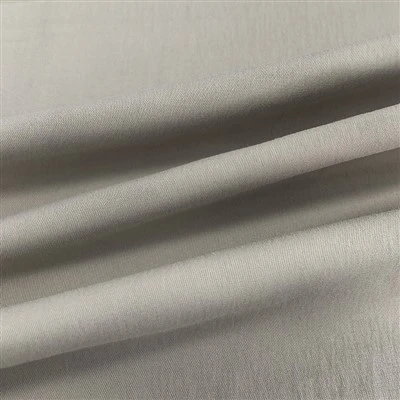
If you’re a designer, a boutique owner, or an independent sewer looking for cotton fabric for your next short project, I’ve got a range of options to fit every need—from lightweight organic cotton for beach shorts to heavy-duty canvas for workwear, from moisture-wicking active cotton to classic twill for chino style. No matter what kind of shorts you’re planning to make, I can help you find the right cotton fabric that balances comfort, durability, and style. Whether you’re just starting out with a small sample order or planning a bulk production run, I’m here to walk through your options, answer any questions you have about fabric weights, weaves, or sustainability certifications, and make sure you get the right material for your project. Reach out to my team to discuss your requirements, and let’s turn your short design ideas into something people will love to wear for years.
By Material References
- Textile Institute. (2021). The Performance of Cotton Fabrics in Apparel: A 10-Year Wear and Tear Study. Journal of Textile Science and Clothing Technology.
- Organic Trade Association. (2022). Organic Cotton: Sustainability and Market Trends for Apparel Manufacturers. Annual Apparel Fiber Report.
- American Cotton Producers. (2020). Cotton Fabric Properties: Breathability, Shrinkage, and Durability for Everyday Wear. Cotton Industry Research Bulletin.
- Fashion Institute of Technology. (2019). Sustainable Fiber Choices for Warm Weather Apparel: A Comparative Analysis of Cotton and Synthetic Fabrics. Student Research Thesis.
- International Organization for Standardization. (2021). ISO 14801: Textiles – Measurement of Moisture Management Properties of Fabrics. ISO Standards for Technical Textiles.
Hangzhou Kangsheng Textile Co., Ltd.
Hangzhou Kangsheng Textile Co., Ltd. is one of the most professional cotton fabric manufacturers and suppliers in China. We have world-leading production equipment and strong manufacturing capabilities. Please rest assured to wholesale bulk high quality cotton fabric from our factory. Also, custom service is available.
Address: 22# Building, K7 Original park,No.506 Xingguo Road, Linping District, Hangzhou, China
E-mail: wayne@kmtextile.net
WebSite: https://www.kangshengtextile.com/
