As a metal fence class supplier who’s been in the game for over a decade, I get it—when you’re managing a job site, a farm, or a commercial property, you don’t have time to overcomplicate maintenance. But here’s the thing: metal fence classes (the standardized, load-rated steel or aluminum sections that form the backbone of any perimeter fence) aren’t just “set it and forget it” materials. Skipping regular checks can turn a minor issue into a costly disaster—one that might leave livestock loose, a property vulnerable, or even delay a project timeline by weeks. Over the years, I’ve fielded a hundred questions from clients: “How often do I really need to inspect my metal fence class?” It’s not a one-size-fits-all answer, but after walking thousands of sites, testing products, and troubleshooting everything from rusted posts to bent rails, I’ve landed on a framework that works for every use case. Metal Fence Class
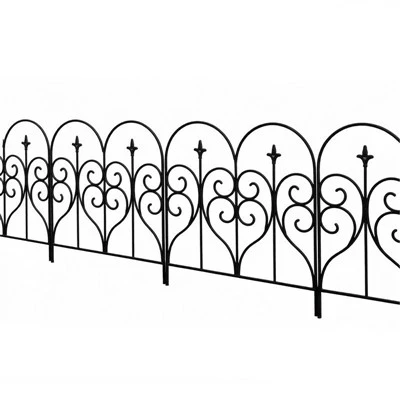
First, let’s get clear on what a “fence class” actually is, because a lot of folks mix it up with generic fence posts or rails. Metal fence class refers to the structural grade of steel or aluminum we (as a supplier) manufacture—think 12-gauge hot-dip galvanized steel for heavy-duty agricultural fencing, or 6061-T6 aluminum for residential perimeter fencing. Each class is rated for a specific load: wind, livestock pressure, vehicle impact, you name it. So when we talk about checking them, we’re not just inspecting the paint job—we’re verifying that the structural integrity that makes the fence class perform as intended is still intact. That’s the difference between a fence that holds 1,500-pound bulls and one that collapses in a mild gust of wind.
Let’s start with the most high-stakes use case: agricultural fencing. If you’re raising cattle, horses, or sheep, your metal fence class is your first line of defense for both your animals and your property. I had a client in central Nebraska a few years back who swore his fence class was fine because he checked it once a year—until a winter storm dropped a 6-inch ice load on the rails and the entire perimeter caved in. Turns out, a section of his fence class had developed hidden rust from a slow leak in his water trough that had been seeping into the post base for months. He lost two yearlings that wandered onto a main road, and the repair cost almost twice what a proactive inspection would have run. For agricultural sites, I recommend at least two formal checks a year: one in early spring, right after frost thaws (when soil expands and can shift post bases), and another in late fall, before snow and ice set in. But here’s the pro tip: don’t just do a walkthrough—spend 10 minutes per fence line. Tap each metal fence class rail with a hammer; a dull thud instead of a sharp ring means hidden corrosion. Wiggle each post a little; if it moves more than an inch, the concrete footing or soil around it is compromised, and your fence class isn’t anchored properly. For high-traffic agricultural areas—like a lane where you drive tractors or round up livestock—add a mid-summer check after heavy rains, because wet soil can weaken post bases fast.
Next up: commercial and industrial fencing. If you’re a warehouse manager, a property developer, or a school facilities director, your metal fence class is about more than just containment—it’s about security, compliance, and protecting assets. I work with a national retail chain that has 27 locations across the Southeast, and they used to inspect every two years. Then, a break-in at a distribution center happened because a section of their perimeter metal fence class had been bent by a construction vehicle parked too close, and no one caught it during their bi-annual check. Thieves were able to pry the rails apart and steal $50,000 in electronics. Now, they do quarterly inspections, and they’re not the only ones. For commercial sites, the frequency should tie to two factors: external stressors and security needs. If your fence lines are near a loading dock, a construction zone, or a busy road where vehicle impacts are common, you’ll want to inspect your metal fence class every 90 days. Look for dents, bends, or gaps at the joints—those are weak points that can be exploited. For indoor commercial fencing, like around a storage yard or a utility area, semi-annual checks are enough, but add a prompt after any large event (like a trade show with heavy equipment moving through the lot) to spot any damage. Also, if your area is subject to harsh chemicals—like a manufacturing plant or a farm with pesticide applications—check every four months, because chemicals can eat away at the galvanized coating on metal fence class faster than rain or snow.
Residential fencing is where I see the most inconsistent maintenance. Homeowners often put up a metal fence class because it’s low-maintenance compared to wood, then forget about it entirely for a decade. But even residential fences aren’t immune to issues. I had a suburban client in Ohio last year who noticed his fence was leaning after a summer of heavy thunderstorms. When we checked, half of his metal fence class posts had rusted through just below the soil line, because he’d never sealed the base after installation, and lawn fertilizer had seeped into the metal. For residential properties, I recommend an annual check—usually in the spring, after winter’s freeze-thaw cycles take their toll. That check can be quick: walk the entire perimeter, check for wobbly posts, loose bolts, or any visible rust on the metal fence class. If you live in a coastal area, salt air accelerates corrosion, so bump that up to twice a year. And if you have kids or pets that play near the fence, do a mid-year check to make sure no one’s kicked a post loose or bent a rail during a game of tag.
Now, let’s talk about the hidden damage that a casual walkthrough might miss. As a metal fence class supplier, we test every batch of steel and aluminum for durability, but even the best products can develop issues that aren’t obvious at first glance. Micro-corrosion, for example, happens when moisture gets trapped between the metal rail and the post cap, creating a small rust spot that eats away at the metal over time—you can’t see it until it’s already weakened the structure. Joint failure is another big one: metal fence class rails connect to posts with bolts or brackets, and those can loosen from wind, vehicle impact, or even just temperature changes expanding and contracting the metal. That’s why, even if your visual check looks good, you should test the connections: grab each rail and gently pull it away from the post. If it moves more than an inch, the joint is loose, and your fence class isn’t performing as it should.
I also want to address a common misconception: “If my fence is still standing, my metal fence class is fine.” That’s a dangerous assumption. A fence can look intact on the surface, but a single bent post or a hidden rusted rail can be the weak point that fails during a storm, an animal intrusion, or an accident. A client in Texas told me last year that his fence had looked perfect for three years, but during a tornado, one section of metal fence class collapsed, allowing his horses to run loose. Turns out, a section of the fence had been hit by a tree branch during a storm two years prior, and he’d taped it up instead of replacing it—damage that had weakened the rail beyond its load rating. So even if you don’t notice a change, regular checks are the only way to catch that kind of hidden wear.
So, how do you create a realistic inspection schedule that works for you? Let’s break it down by use case, to make it easy:
- Agricultural: 2 formal checks annually (spring, fall) + mid-summer check for high-traffic lines
- Commercial/Industrial: Quarterly checks for high-stress areas (road, loading dock) + semi-annual for low-stress indoor areas
- Residential: Annual check (spring) + twice a year for coastal/pet-heavy properties
And don’t forget: after any major event—heavy rain, snow, wind, a construction project, or even a large gathering in your yard—do a quick spot check of your metal fence class. A single fallen tree branch, a stray truck that backed into the fence, or a group of teens leaning on the rails can cause damage that adds up fast.
Now, as someone who’s been supplying metal fence class for 12 years, I can tell you that proactive inspection isn’t just about avoiding disasters—it’s about extending the life of your fence and saving money in the long run. Replacing a single bent metal fence class rail is way cheaper than replacing an entire fence after it collapses. Catching a small rust spot early means you can touch it up with a galvanized primer, instead of having to replace a whole post down the line.
If you’re not sure how to conduct a proper inspection, or if you need to replace a damaged metal fence class section, I’m here to help. We offer custom-cut metal fence class, load-rated for every use case, and we can walk you through inspection tips specific to your property. Whether you’re a first-time homeowner putting up a new fence, a farmer looking to upgrade your perimeter, or a commercial property manager needing to secure your site, we can provide the materials and guidance you need to keep your fence in top shape.

Don’t wait for a small issue to become a big problem. Reach out to our team to discuss your metal fence class needs, schedule a consultation, or get tips tailored to your property’s specific stressors. We’re here to make sure your fence works as hard as you do.
Guard Railing References:
- American Society of Agricultural and Biological Engineers (ASABE). (2020). Agricultural Fencing Design and Maintenance Standards.
- International Code Council (ICC). (2021). Building Code Requirements for Fencing and Gates.
- Galvanized Steel Manufacturers Association (GSMA). (2022). Corrosion Resistance Guidelines for Outdoor Metal Structures.
- Aluminum Association. (2021). Aluminum Fencing Durability and Maintenance Best Practices.
- National Institute of Building Sciences (NIBS). (2020). Structural Maintenance for Perimeter Barriers: Inspection Schedules and Protocols.
Nantong Yinuo Metal Technology Co., Ltd.
As one of the most professional metal fence class manufacturers and suppliers in China, we have world-leading production equipment and strong manufacturing capabilities. Please feel free to wholesale customized metal fence class made in China here from our factory. Welcome to contact us for quotation.
Address: No. 888 Yucai Road, Baochang Town, Haimen District, Nantong City, Jiangsu Province
E-mail: ntyinuo2026@163.com
WebSite: https://www.ntyinnuo.com/
