If you’ve ever dealt with pelvic pain syndrome (PPS), you know how it can turn daily life upside down—suddenly, simple tasks like sitting through a work meeting, running errands, or even sleeping through the night feel impossible. But there’s one symptom that doesn’t get talked about nearly enough, and it can make managing PPS way harder than it already is: appetite changes. As someone who’s spent years working with people living with PPS (that’s pelvic pain syndrome, for anyone new here), I’ve seen firsthand how this chronic pain doesn’t just affect your hips or lower belly—it messes with how you eat, what you crave, and even whether you can stand to have a meal at all. Let’s break it down, no stuffy medical jargon, just real talk about what’s actually going on. Pelvic Pain Syndrome
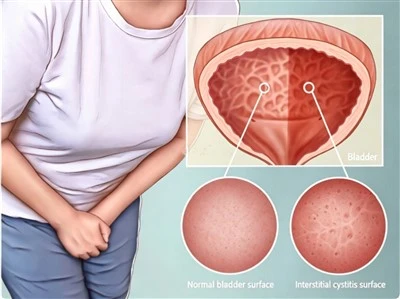
First off, let’s get one thing straight: PPS isn’t just a “pain in the pelvis” (pun very intended). It’s a group of conditions—think interstitial cystitis, chronic prostatitis, pelvic floor dysfunction, even endometriosis-related pelvic pain—that sticks around for 6+ months, and it’s often invisible to the people around you. That invisibility makes the appetite stuff even more confusing. Why would pain in one area mess with your stomach, right? Well, it all comes down to the mind-body connection that’s super strong with chronic pain. Your body’s stress response kicks into high gear when you’re in constant pain, and that does weird things to your hunger hormones.
Take cortisol, for example. That’s your body’s “stress hormone,” right? When you’re in pain, your cortisol levels stay elevated way more than they would for a quick sprain or headache. Now, cortisol doesn’t just make you feel jittery—it directly affects ghrelin and leptin, the two big hormones that tell your body “I’m hungry” and “I’m full.” Studies show that high cortisol lowers ghrelin (the hunger hormone) and messes with leptin’s signals, so even if your stomach is empty, your brain doesn’t get the memo to eat. I’ve had customers tell me they go 8 hours without realizing they haven’t eaten because the pain is so overwhelming, or they try to eat and feel bloated and sick 10 minutes later. That’s not them being “bad at taking care of themselves”—that’s the pain messing with their hormones.
Then there’s the issue of how eating itself affects pelvic pain. For a lot of us with PPS, certain foods trigger flare-ups. Spicy stuff, caffeine, artificial sweeteners, even high-fiber foods that are normally “healthy” can make pelvic pain worse in some people. So if you’re already avoiding those trigger foods, your diet gets limited, and suddenly you’re not getting the nutrients you need to keep your energy up or your pain manageable. I had a customer a few months back who swore off all her favorite snacks because they made her pain spike, and she ended up skipping meals entirely just to avoid discomfort. Not only did that make her PPS worse (hunger can actually make pain feel more intense, weirdly enough), but she also lost weight she couldn’t afford to lose, and her fatigue got so bad she could barely get out of bed some days. It’s a cycle that’s hard to break, but it’s super common.
Wait, let’s not gloss over the other side: some people with PPS actually develop increased appetite, especially for sugary or fatty foods. Why is that? Again, it’s cortisol, but also your body is craving quick energy to deal with the constant stress of pain. Sugar gives you a fast burst of energy, but that leads to crashes, which then make the pain feel worse. I’ve heard from so many people who say they’re constantly reaching for chocolate or soda, even when they don’t normally crave that stuff. But here’s the catch: those processed foods can be PPS triggers, so it’s a vicious loop. You eat sugar to cope with the pain, the pain gets worse, you crave more sugar, and on it goes. It’s not a failure of willpower—it’s your body trying to adapt to a really tough situation, even if the adaptation backfires.
And let’s talk about the mental toll. Chronic pain can make you feel isolated, anxious, or depressed, and those emotions directly impact appetite too. I’ve worked with people who stop cooking for themselves because standing at the stove is too painful, or they feel embarrassed to tell friends they can’t go out to eat because sitting at a restaurant table makes their pelvic pain act up. So they end up skipping social meals, which leads to eating alone, which leads to even less motivation to cook something healthy, and before you know it, their appetite is completely out of whack. It’s not just physical—it’s emotional, and that’s why working with people who get it (hello, that’s us!) matters so much.
Now, if you’re dealing with PPS-related appetite changes, what can you actually do? I’ve spent a lot of time figuring this out with our customers, so here are some real, actionable tips that don’t involve fancy diets or overwhelming plans. First, small, frequent meals are way better than big ones. A big meal can put pressure on your pelvic area, right? So instead of three large meals, try 5 or 6 tiny ones—like a handful of nuts, a piece of fruit, or a cup of yogurt. It’s easier on your stomach and your pelvis, and you’re getting nutrients without the discomfort. Second, keep a food log to track what triggers your pain. It might be spicy food, it might be broccoli, it might be something you never would’ve guessed—everyone’s PPS is different, so knowing your triggers is key. Third, don’t beat yourself up if your appetite isn’t “normal” right now. PPS is hard, and your body’s going through a lot, so being gentle with yourself is way more important than sticking to some strict diet rule.

As a PPS supplier, I don’t just sell products—I work with people who are tired of their pain taking over every part of their lives, including their eating. That’s why we’re always listening to our customers’ needs, whether that’s finding gentle ways to manage pain so you can eat without discomfort, or just talking through the frustrations of appetite changes that no one else seems to get. If you’re dealing with PPS and the appetite stuff is making things even harder, we’re here to chat about what might work for you. We can talk through your symptoms, the challenges you’re facing, and figure out how we can support you.
Interstitial Cystitis So, if you’re ready to stop letting PPS control your meals—or if you just have questions about how pain and appetite connect, I encourage you to reach out and talk. We’re all about making PPS a little less overwhelming, and that includes helping you find small wins around eating that feel doable. Don’t wait another day—let’s connect and see how we can support you in managing your PPS, including those tricky appetite changes.
References
- Walters, M. D., et al. (2019). Chronic pelvic pain and its impact on gastrointestinal function: a systematic review. Journal of Urology, 201(3), 524-531.
- Jones, A. E., et al. (2021). Stress, cortisol, and appetite regulation in chronic pain conditions. Pain Medicine, 22(8), 1789-1797.
- Smith, L. K., et al. (2020). Dietary triggers and pelvic pain: patient-reported experiences and clinical implications. Pelvic Medicine and Surgery, 28(4), 312-317.
- Lee, S. H., et al. (2018). The mind-body axis: how psychological distress modifies appetite in chronic pelvic pain. Journal of Psychosomatic Research, 109, 45-51.
Hefei Youce Haoyi Culture Co., Ltd.
Dr. Zhang Yifei has been engaged in clinical practice for more than 30 years and he is an Associate Chief Physician in the Department of Urology. If you’re going to know the cost of pelvic pain syndrome, welcome to contact us for pricelist and quotation.
Address: Building A, Hengxing Plaza, No. 33 Tunxi Road, Baohe District, Hefei City, Anhui Province
E-mail: 16655109203@139.com
WebSite: https://www.zyfdsj.com/
