If you’ve spent any time working in industries that rely on distillation—think chemical processing, beverage production, petroleum refining, or even pharmaceutical manufacturing—you know a distillation plant is more than just a collection of metal towers, pumps, and condensers. It’s a complex, high-stakes system where small inefficiencies can snowball into lost revenue, safety risks, or even unexpected downtime. As a supplier who’s worked alongside plant operators for over a decade, I’ve seen firsthand how even the most well-built distillation plants fail not because of poor design, but because of inconsistent maintenance. Efficient upkeep isn’t a one-time task; it’s a routine, data-driven practice that balances short-term repairs with long-term asset health. Below, I’ll break down the core strategies that keep these plants running smoothly, backed by the lessons we’ve learned supporting hundreds of operations globally. Distillation Plant
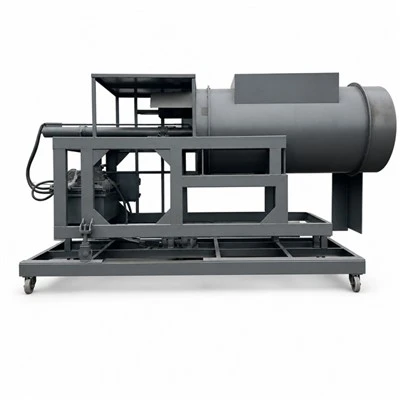
First, start with a proactive maintenance plan, not a reactive one. So many plant teams only address issues when a tower backs up or a pump seizes up, but that’s a costly mistake. Reactive maintenance usually means paying premium rates for emergency parts, halting production for longer than necessary, and risking cross-contamination or equipment damage that could have been avoided. A proactive plan, by contrast, is built on scheduled inspections, trend tracking, and component-specific service intervals tailored to your plant’s unique operation.
Let’s clarify: not all distillation components have the same lifespan, so your maintenance schedule shouldn’t either. For example, shell-and-tube heat exchangers—critical for heating and cooling process fluids—are prone to fouling, a buildup of solid deposits that reduces heat transfer efficiency. If your plant processes crude oil or sugarcane molasses, fouling can cut a heat exchanger’s performance by 30% in just six months if left unchecked. We recommend quarterly visual inspections of exchanger tubes to spot scaling early, and scheduled chemical cleaning every 12 to 18 months, depending on your feedstock. For internal tower components like trays or packing, which separate different chemical compounds based on boiling points, inspecting them annually during a planned shutdown is non-negotiable. Damaged or missing trays create uneven vapor and liquid flow, leading to poor separation, lower product yield, and wasted energy. We’ve seen plants lose 15% of their annual product output in a single year because a single tray in their main distillation tower was cracked and not caught during an inspection.
Next, optimize operational parameters to extend equipment life. A distillation plant’s efficiency is tied to how well it balances four key variables: reboiler temperature, condenser pressure, reflux ratio, and feed rate. Many operators default to “set it and forget it” values they inherited when the plant was commissioned, but those values rarely adapt to changes in feedstock composition, seasonal temperature shifts, or equipment wear. For example, colder ambient air in winter can reduce condenser efficiency, forcing operators to crank up reboiler temperature to maintain separation. That extra heat not only wastes energy but also accelerates corrosion in tower shells and piping, since higher temperatures speed up chemical reactions that break down metal.
We work with our clients to use real-time data from plant sensors to adjust these parameters dynamically. Let’s take reflux ratio—the ratio of condensed vapor that’s sent back to the tower versus the distillate that’s collected. A higher reflux ratio improves separation but uses more energy, while a lower ratio saves energy but risks impure product. By analyzing feedstock composition (like the percentage of light vs. heavy compounds in your input), sensors can adjust the reflux ratio automatically to hit the sweet spot: enough to meet product purity requirements, but not so much that you waste energy. One of our chemical plant clients implemented this dynamic adjustment last year and cut their annual energy costs by 12% while increasing their distillate yield by 4%. It’s a small change that adds up fast over time.
Another often-overlooked operational tweak is regular lubrication of rotating equipment—pumps, compressors, and agitators. Poor lubrication is the top cause of pump failures in distillation plants, according to industry data, and a failed pump can shut down a whole process line in hours. The key here is to follow the manufacturer’s guidelines (which you’ll find in the plant’s operation manual) but also consider the conditions your equipment faces. If your plant handles corrosive or high-temperature fluids, standard lubricants will break down faster, so you’ll need to switch to synthetic lubricants and shorten lubrication intervals by 20 to 30%. We recommend logging every lubrication job, including the type of oil used, the amount, and the date, in a simple digital log. This way, if a pump fails prematurely, you can trace whether lubrication was the cause, not just a random malfunction.
Then, invest in training and cross-functional teamwork. No maintenance plan works if the people operating and repairing the plant don’t understand how their decisions impact the whole system. For years, I’ve seen a divide between plant operators, who run day-to-day operations, and maintenance teams, who handle repairs, with little communication between the two. Operators might adjust a valve to speed up production without realizing it’s putting extra strain on the reboiler, while maintenance teams might replace a tray without checking how it aligns with the plant’s flow rate.
Fixing this starts with regular cross-training. Bring maintenance teams to the control room to teach them how to read key metrics like vapor pressure, temperature differentials, and flow rates. In turn, train operators on the basics of component wear—so they can spot early signs of a problem, like unusual vibration in a pump or odd noise from a tower, and flag it before it becomes a shutdown. We also host quarterly workshops for our clients’ teams, covering topics like fouling prevention, corrosion control, and data analysis. One refinery client told us that after their maintenance and ops teams started meeting weekly to review performance data, their unplanned downtime dropped by 40% in 18 months. That’s the power of teamwork, not just individual tasks.
Corrosion control is another make-or-break factor for long-term plant efficiency. Distillation plants handle a range of corrosive fluids: acids in chemical processing, brine in desalination, even ethanol in beverage production, which can eat away at carbon steel piping and tower shells over time. Corrosion doesn’t just weaken equipment—it can also cause leaks that lead to product loss, environmental hazards, and even safety incidents.
The first step to controlling corrosion is knowing what you’re up against. Test your process fluids regularly to measure their pH, chloride content, and other corrosive properties. For example, chloride ions, common in many industrial fluids, can cause pitting corrosion in stainless steel, which is hard to detect until the damage is severe. Based on those tests, you can choose the right materials for components or apply protective coatings. We offer corrosion-resistant linings for towers and piping, and we work with clients to implement a cathodic protection system for underground piping, which uses a small electrical current to prevent metal from corroding.
Even with protective measures, regular corrosion monitoring is essential. Install thickness gauges on critical piping and tower sections, and test them every six months. For internal tower components, use ultrasonic testing to check for hidden corrosion that isn’t visible during visual inspections. If you catch corrosion early, you can repair or replace a small section of piping instead of replacing a whole line, which saves tens of thousands of dollars and avoids downtime.
Don’t forget routine cleaning—fouling is an efficiency killer we can’t ignore. We touched on heat exchanger fouling earlier, but fouling affects other parts of a distillation plant too: packing in towers can get clogged with solid particles, reducing vapor flow and separation efficiency, while piping can accumulate residue that narrows flow paths, increasing pressure drop and energy use.
There are two types of fouling: organic and inorganic. Organic fouling comes from process residues like sugars, oils, or biological growth, while inorganic fouling is made of mineral deposits like calcium carbonate or iron oxide. The cleaning method depends on the type, but chemical cleaning is the most common for large components like exchangers and towers. When we clean a client’s plant, we use biodegradable, non-corrosive chemicals that dissolve fouling without damaging equipment, but we also coordinate the cleaning with planned shutdowns to avoid interrupting production. For smaller components, like small piping or pumps, a simple high-pressure water wash works well to remove light fouling, avoiding the need for harsh chemicals.
Finally, keep detailed records and plan for long-term asset renewal. A distillation plant is a long-term investment—well-maintained, it can run for 20 years or more—but no component lasts forever. Keeping records of every inspection, repair, and performance metric gives you a clear picture of when to plan for big replacements. For example, if your data shows that your main distillation tower’s packing has a 10-year lifespan, you can plan to replace it during a scheduled shutdown in year 10, instead of being surprised by a failure mid-production.
We provide our clients with digital asset management tools that track component performance, send alerts for scheduled maintenance, and generate reports on efficiency. These tools turn raw data into actionable insights, so you can make informed decisions about when to repair, replace, or upgrade parts. Upgrading doesn’t have to mean a full plant rebuild—small tweaks like replacing old tray-based separation with modern structured packing can improve efficiency by 15% with a fraction of the cost of a new tower.
At the end of the day, maintaining a distillation plant efficiently is about balance: balancing proactive care with operational flexibility, data-driven decisions with hands-on teamwork, and short-term repairs with long-term asset health. If you’re looking to optimize your plant’s performance, reduce downtime, or upgrade components, we’re here to support you every step of the way.
If you’re ready to discuss how to tailor these strategies to your distillation plant’s specific needs or learn more about our maintenance and optimization solutions, feel free to reach out to connect with our team to explore your options.
Pyrolysis Plant References
- American Institute of Chemical Engineers (AIChE). (2022). Distillation Plant Maintenance Best Practices. Chemical Engineering Progress, 118(5), 42-49.
- National Distributors and Manufacturers Association (NDMA). (2021). Corrosion Control in Industrial Distillation Systems. Industrial Maintenance Journal, 67(3), 19-25.
- Global Energy Management Association (GEMA). (2023). Energy Efficiency Optimization in Distillation Processes. Journal of Sustainable Industrial Operations, 9(2), 71-84.
- OSHA. (2020). Process Safety Management for Distillation Plants. Occupational Safety and Health Administration, Technical Manual Section VIII.
Shangqiu Aotewei Environmental Protection Equipment Co., Ltd.
Shangqiu Aotewei Environmental Protection Equipment Co., Ltd. is one of the most professional distillation plant manufacturers and suppliers in China, also supports customized service. Please feel free to buy CE approved distillation plant at competitive price from our factory. Welcome to contact us for pricelist.
Address: No.88 Longhai Road, Liangyuan District, Shangqiu City, Henan Province, China
E-mail: colin@henanpower.com.cn
WebSite: https://www.aoteweitech.com/
