If you’ve ever worked in a paint manufacturing plant, you know how messy things can get. From corrosive solvents in acrylic coatings to harsh acids in some specialty paint formulas, the equipment and surfaces you use take a beating. That’s where I come in — I run an acid resistant rubber sheet supply business, and one question I get asked all the time is: can these sheets actually be useful in paint manufacturing? Spoiler alert: yes, but only if you know exactly where and how to use them. Let’s break this down like we chat at the plant floor, no stuffy industry jargon that makes your eyes glaze over. Acid Resistant Rubber Sheet
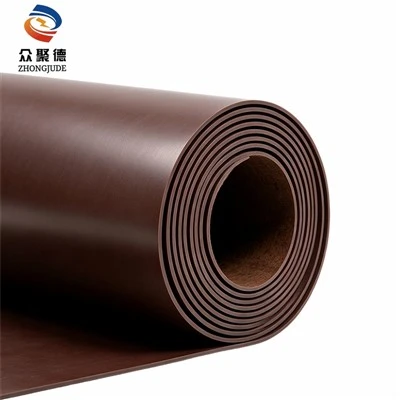
First, let’s get the basics right. Paint manufacturing relies on a ton of corrosive stuff — I’m talking hydrochloric acid, sulfuric acid, even strong alkalis for pH adjustment, plus organic solvents like xylene and toluene that break down regular rubber faster than a cheap party balloon in a hot car. Acid resistant rubber sheets aren’t your standard garden-variety rubber; they’re usually made from materials like nitrile, EPDM, or natural rubber blended with additives like carbon black or fiberglass that lock in resistance to those harsh chemicals. But here’s the thing: not all acid resistant rubber is created equal, and paint ops have specific pain points that regular industrial rubber just doesn’t solve.
Let’s start with the most obvious use case: lining storage tanks. Paint manufacturers store raw materials for weeks or months, and if your storage tank’s inner lining isn’t acid resistant, that acid can eat through the metal, contaminate your batch, and shut down production for days. I’ve had a customer who makes industrial anti-rust paint tell me last year their old steel tanks would corrode through in 18 months, leading to 3-figure cleanup costs and ruined paint batches. We lined their tank with our nitrile-based acid resistant sheets, and so far it’s been 2 years with zero corrosion. That’s not just a win for them — that’s a win for their bottom line. But wait, there’s a catch: make sure you’re matching the rubber’s acid resistance to the specific chemical in your tank. If your formula uses 90% sulfuric acid, EPDM might not cut it, but our blended sheet with 40% carbon black will. Too many people skip that step and end up with a sheet that fails way too soon.
Next up, work surface protection. Paint mixing stations, filter housings, and transfer platforms are prone to spills. A single splash of 20% hydrochloric acid can etch concrete, damage steel tooling, and even cause safety issues if a worker slips on a slippery, corrosive residue. Acid resistant rubber sheets laid on top of concrete or steel here are a game-changer. They’re flexible enough to cover irregular surfaces, easy to wipe down after a spill, and stand up to those harsh paint solvents too. I had another customer who runs a small batch latex paint operation — they used to use cheap vinyl sheeting that would tear in 3 months and let acid seep through to their concrete floor, leading to extra labor for repair every quarter. Switching to our abrasion-resistant acid resistant sheets fixed that, and they told me last month they saved around $1,200 in repair costs in the first year alone. Again, test your specific mix: if you’re handling super abrasive pigments along with acids, you’ll want a sheet that’s both acid resistant and tear-resistant, which is what our heavy-duty line is made for.
But wait — can you use these sheets for gaskets or seals in paint processing equipment? The short answer is sometimes, but not always. If you’re dealing with static mixing equipment that handles mild acid solutions, a thin sheet of acid resistant rubber can be cut into gaskets that hold up way better than standard rubber. But if you’re using high-pressure processing (like spray paint application systems) with concentrated acids, you’ll need a reinforced sheet, not the thin 1/8” stuff. I once sent a customer 1/8” nitrile sheets for their spray system seals — they called me a week later complaining the seals had failed. Turns out their system uses 75% toluene along with 10% sulfuric acid, and the thin sheet couldn’t handle the pressure and chemical mix. We switched them to 1/4” reinforced acid resistant sheets, and they’ve been good for 6 months now. So size matters, and material matters even more.
Now, let’s talk about what acid resistant rubber sheets can’t do in paint manufacturing. This is super important, because I don’t want you wasting money on something that won’t work. First, don’t use them for high-temperature applications over 150°F — most acid resistant rubber starts to break down when it gets that hot, and paint manufacturing does involve some heating for curing or mixing. Second, don’t use them as a replacement for specialized chemical-resistant coatings for exterior metal surfaces. The sheets are for static, low-heat, or low-pressure areas — if you need to coat the outside of a steam line, a rubber sheet won’t hold up. Third, don’t skimp on installation. I’ve seen too many customers try to glue the sheets themselves with regular construction adhesive, only for them to peel off in a few months. We work with installers who specialize in industrial rubber linings, and that extra step makes all the difference. A well-installed acid resistant sheet can last 5+ years, while a DIY job might last 6 months.
Another angle: regulatory compliance. A lot of paint manufacturers have to meet OSHA guidelines for workplace safety, especially when handling corrosive chemicals. Acid resistant rubber sheets are non-porous, so they don’t absorb acids or solvents, which makes cleanup easier and reduces the risk of chemical exposure. That’s a big one for plant managers — if you’re having to deal with spills seeping into porous concrete, you’re exposing your workers and risking OSHA fines. Our sheets are also compliant with EPA standards for industrial use, which helps a lot when you’re dealing with raw material suppliers or customers who demand eco-friendly manufacturing processes. I’ve had a few clients switch to our sheets specifically for that compliance reason, which saved them from a $15,000 OSHA fine last year.
Wait, what about specialty paints? Things like marine paint, which has to resist saltwater and acids, or automotive primer, which uses strong solvents. I have a customer who makes automotive base coats, and their mixing area was getting hit with a lot of xylene and hydrochloric acid. They lined their work surfaces with our acid resistant sheets, and told me the sheets not only protected their equipment but also made their workplace easier to sanitize. That’s a huge bonus — paint dust and solvent residue get stuck in cracks, but a smooth rubber sheet just wipes clean in 2 minutes. No more spending hours scrubbing concrete every shift.
Now, let’s address some common myths. A lot of people think acid resistant rubber is just thick and expensive, but that’s not true. When you compare the cost of a $500 acid resistant sheet lining vs. $10,000 in ruined batches and equipment repairs, it’s a no-brainer. Another myth: all acid resistant rubber works for all paints. Nope — as I mentioned earlier, a sheet that works for hydrochloric acid might not work for hydrofluoric acid, which some specialty paints use. So always give me the specifics of your paint formula, and I can point you to the right material. I work with all different types of paint ops, from small batch craft paint makers to large industrial paint plants, so I know exactly what works for each.
Let me wrap this up: yes, acid resistant rubber sheets are absolutely useful in paint manufacturing — but only when you pick the right material, use it in the right places, and get it installed correctly. They’re not a one-size-fits-all fix, but when matched to your specific corrosive chemicals and setup, they save you money, reduce downtime, and improve workplace safety. If you’re dealing with acid or solvent spills, tank lining issues, or surface protection that’s actually tough enough to stand up to paint’s harsh ingredients, these sheets are worth every penny.

If you’re curious to test how acid resistant rubber sheets could work for your paint operation, reach out to me to chat through your specific needs. I can walk you through material options, size recommendations, and even connect you with trusted installers to get the job done right. No pressure, just honest advice from someone who’s worked in this space for years and knows the pain points of paint manufacturing all too well.
Flame Retardant Rubber Mat References
- Occupational Safety and Health Administration (OSHA). "Chemical Corrosion Hazards in Industrial Workplaces." OSHA Guidelines, 2022.
- Rubber Manufacturers Association. "Chemical Resistance Properties of Industrial Rubber Compounds." RMA Technical Bulletin, 2021.
- Paint Industry Association. "Corrosion Management for Paint Manufacturing Facilities." PIA Best Practices Report, 2023.
- ASTM International. "Standard Test Methods for Rubber Properties in Chemical Resistance." ASTM D471-21, 2021.
- Environmental Protection Agency (EPA). "Industrial Surface Protection for Corrosive Material Handling." EPA Industrial Guidance, 2022.
Hebei Zhongjude Power Technology Co., Ltd.
With abundant experience, we are one of the most reliable acid resistant rubber sheet manufacturers and suppliers in China. Welcome to buy bulk high quality acid resistant rubber sheet for sale here and get quotation from our factory. For price consultation, contact us.
Address: Shenghe Plaza, No.88 Qilian Street, High-tech Zone, Shijiazhuang City, Hebei Province, China
E-mail: zhongjude@outlook.com
WebSite: https://www.zjdinsul.com/
