As a supplier of wired sensor switches, I’ve had numerous conversations with customers about the power sources that make these devices tick. Understanding the power source of a wired sensor switch is crucial, not only for proper installation and operation but also for long – term reliability and cost – effectiveness. In this blog post, I’ll delve into the various power sources for wired sensor switches, their advantages, and considerations for choosing the right one. Wired Sensor Switch
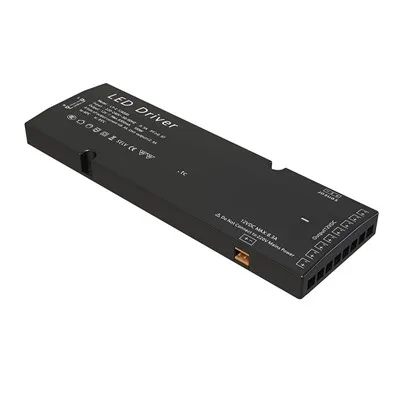
1. Mains Electricity (AC Power)
One of the most common power sources for wired sensor switches is mains electricity, also known as alternating current (AC) power. This is the same type of power that comes from the electrical grid in most homes and businesses.
1.1 How it Works
When a wired sensor switch is connected to the mains electricity, it taps into the existing electrical infrastructure. The switch is typically wired into the electrical wiring of a building, either in a junction box or directly to a light fixture or other electrical device. The AC power provides a continuous and stable source of energy to the sensor switch, allowing it to function properly.
1.2 Advantages
- Reliability: Mains electricity is generally a very reliable power source. As long as the electrical grid is operational, the sensor switch will have power. This is especially important for applications where continuous monitoring and control are required, such as in security systems or large – scale lighting installations.
- High Power Capacity: AC power can supply a relatively large amount of power, which means that the sensor switch can support more advanced features and functions. For example, a sensor switch with built – in Wi – Fi connectivity or a high – intensity LED indicator may require more power than a battery – operated device can provide.
- No Need for Battery Replacement: Unlike battery – powered devices, a sensor switch powered by mains electricity does not require regular battery replacement. This reduces maintenance costs and inconvenience, especially in hard – to – reach or large – scale installations.
1.3 Considerations
- Installation Complexity: Connecting a sensor switch to the mains electricity requires some electrical knowledge and skills. It may involve working with live electrical wires, which can be dangerous if not done correctly. In many cases, it is recommended to hire a qualified electrician for the installation.
- Power Outages: Although mains electricity is generally reliable, power outages can still occur. In the event of a power outage, the sensor switch will stop functioning until power is restored. This may be a concern for applications where continuous operation is critical.
2. Low – Voltage DC Power
In some cases, wired sensor switches can be powered by low – voltage direct current (DC) power. This can be provided by a variety of sources, such as a power adapter or a battery pack.
2.1 How it Works
A low – voltage DC power supply converts the incoming AC power from the mains into a lower – voltage DC output. The sensor switch is then connected to this DC power supply. Some sensor switches are designed to be directly powered by a battery pack, which typically consists of several AA or AAA batteries.
2.2 Advantages
- Safety: Low – voltage DC power is generally considered safer than mains electricity. Since the voltage is lower, the risk of electric shock is reduced. This makes it a suitable option for applications where safety is a concern, such as in residential or educational settings.
- Flexibility: Low – voltage DC power supplies can be easily customized to meet the specific requirements of the sensor switch. For example, a power adapter with a variable output voltage can be used to power different types of sensor switches with different voltage requirements.
- Isolation: DC power can provide electrical isolation from the mains, which can help to reduce electrical noise and interference. This can improve the performance and reliability of the sensor switch, especially in environments with a lot of electrical interference.
2.3 Considerations
- Limited Power Capacity: Low – voltage DC power supplies generally have a limited power capacity compared to mains electricity. This means that the sensor switch may have fewer features or functions available, or it may not be able to support high – power devices.
- Battery Life (if applicable): If the sensor switch is powered by a battery pack, the battery life will need to be considered. Depending on the usage patterns and the type of batteries used, the batteries may need to be replaced or recharged regularly.
3. PoE (Power over Ethernet)
Power over Ethernet (PoE) is a technology that allows both data and power to be transmitted over an Ethernet cable. This is becoming an increasingly popular power source for wired sensor switches, especially in networked applications.
3.1 How it Works
A PoE – enabled switch or injector is used to inject power into the Ethernet cable. The wired sensor switch, which is also PoE – enabled, can then draw power from the Ethernet cable while simultaneously transmitting data over the same cable.
3.2 Advantages
- Simplified Installation: With PoE, there is no need to run separate power cables to the sensor switch. This can significantly simplify the installation process, especially in large – scale or complex installations. It also reduces the amount of wiring required, which can save space and cost.
- Centralized Power Management: PoE allows for centralized power management. The PoE – enabled switch or injector can be used to monitor and control the power supply to individual sensor switches. This can improve energy efficiency and make it easier to manage the overall system.
- Network Integration: Since the sensor switch is connected to the network via the Ethernet cable, it can be easily integrated into existing network infrastructure. This allows for remote monitoring and control of the sensor switch, which is useful for applications such as smart building management or industrial automation.
3.3 Considerations
- Limited Distance: The maximum distance that PoE can travel over an Ethernet cable is limited. Depending on the type of PoE standard used, the distance may be limited to 100 meters or less. This may be a concern for applications where the sensor switch needs to be installed at a greater distance from the PoE – enabled switch or injector.
- Compatibility: The sensor switch and the PoE – enabled switch or injector need to be compatible with each other. Different PoE standards have different power output capabilities, so it is important to ensure that the power supply is sufficient for the sensor switch.
4. Factors to Consider When Choosing a Power Source
When choosing a power source for a wired sensor switch, there are several factors to consider:
4.1 Application Requirements
The specific requirements of the application will play a major role in determining the appropriate power source. For example, if the sensor switch is being used in a security system that requires continuous operation, mains electricity or PoE may be the best choice. On the other hand, if the installation is in a remote location with no access to the electrical grid, a battery – powered or low – voltage DC power supply may be more suitable.
4.2 Installation Constraints
The installation environment and constraints can also affect the choice of power source. If the installation is in a tight space or a location where running additional wiring is difficult, PoE or a low – voltage DC power supply may be preferred. Conversely, if the sensor switch is being installed in a building with existing electrical wiring, mains electricity may be the easiest and most cost – effective option.
4.3 Cost
Cost is always an important consideration. Mains electricity is generally the most cost – effective power source in the long run, as there are no ongoing battery replacement costs. However, the initial installation cost may be higher, especially if electrical work is required. Battery – powered devices may have a lower initial cost, but the ongoing cost of battery replacement can add up over time. PoE can also be a cost – effective option, especially when considering the savings in wiring and installation costs.
4.4 Energy Efficiency
In today’s environmentally conscious world, energy efficiency is an important factor. Choosing a power source that consumes less energy can not only reduce operating costs but also minimize the environmental impact. For example, a sensor switch that is optimized for PoE power consumption can be more energy – efficient than one powered by mains electricity.
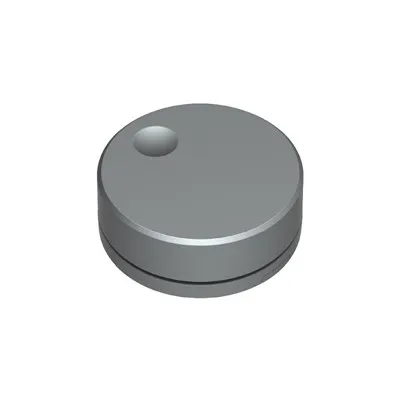
As a supplier of wired sensor switches, I can offer a wide range of products that are compatible with different power sources. Whether you need a sensor switch powered by mains electricity, low – voltage DC power, or PoE, we have the solution to meet your needs. Our team of experts can also provide technical support and guidance to help you choose the right power source for your specific application.
Cabinet Sensor Switch If you are interested in learning more about our wired sensor switches or are ready to discuss your procurement needs, please feel free to get in touch with us. We look forward to the opportunity to partner with you and provide you with high – quality, reliable products.
References
- Manufacturer’s datasheets for wired sensor switches
- Technical standards for electrical power systems and PoE technology
- Industry research reports on sensor switch applications and power sources
Dongguan Lanbaoli Intelligent Technology Co., Ltd.
As one of the most professional wired sensor switch manufacturers and suppliers in China, we’re featured by quality products and low price. Welcome to buy advanced wired sensor switch for sale here from our factory. If you have any enquiry about quotation, please feel free to email us.
Address: 10th Floor, Building 32, Golden Town, No. 7 Technology Avenue, Houjie Town, Dongguan City, Guangdong Province
E-mail: anna@lampow.cn
WebSite: https://www.lblsensor.com/
