Hey there! I’m part of a metal hoses supplier team, and let me tell you, choosing the right end fittings for metal hoses can be a real head – scratcher. But don’t worry, I’m here to break it all down for you in a way that’s easy to understand. Metal Hoses
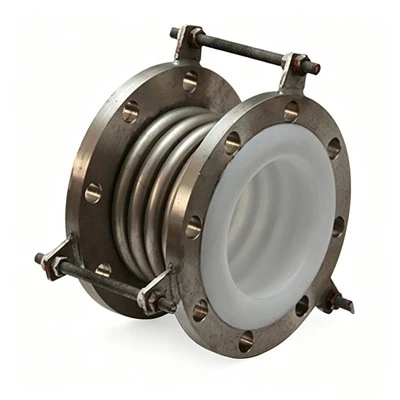
Understanding the Basics of End Fittings
First things first, end fittings are like the "hands" of your metal hose. They’re what connect your hose to other parts of a system, whether it’s a pump, a valve, or another hose. And just like how you need the right tools for a job, you need the right end fittings for your metal hose.
There are a ton of different types of end fittings out there. Some common ones include threaded fittings, flanged fittings, and welded fittings. Threaded fittings are super convenient because they’re easy to install and remove. You just screw them on, and boom, you’re done. Flanged fittings, on the other hand, are great for high – pressure applications. They provide a really secure connection and can handle a lot of stress. Welded fittings offer a permanent connection, which means they’re less likely to leak, but they also require some welding skills to install.
Factors to Consider When Choosing End Fittings
Compatibility
The most important thing when choosing end fittings is compatibility. You need to make sure the fitting is the right size and shape to match your metal hose. If the fitting is too big or too small, it won’t work properly, and it could even cause leaks or other problems. You also need to consider the material of the fitting. It should be compatible with the material of your metal hose and the fluid or gas that will be flowing through it. For example, if you’re using a stainless – steel metal hose to transport a corrosive chemical, you’ll need an end fitting made of a corrosion – resistant material like stainless steel or brass.
Pressure and Temperature Ratings
Another crucial factor is the pressure and temperature ratings of the end fittings. Different applications have different pressure and temperature requirements. If you’re using your metal hose in a high – pressure system, you’ll need end fittings that can handle that pressure. The same goes for temperature. If the fluid or gas in your system gets really hot or really cold, you need fittings that can withstand those temperatures without deforming or failing.
Application Environment
Think about where your metal hose will be used. Is it in a clean, dry environment, or is it in a harsh, industrial setting? If it’s in a dirty or wet environment, you might want end fittings that are more resistant to corrosion and abrasion. For example, if your hose is going to be used in a marine environment, you’ll need fittings that can stand up to saltwater corrosion.
Installation Requirements
How easy is it to install the end fittings? If you don’t have a lot of time or expertise, you’ll want fittings that are easy to install. Threaded fittings are usually the easiest to install, as I mentioned earlier. But if you need a really secure, permanent connection, welded fittings might be the way to go, even though they require more skill.
Types of End Fittings and Their Uses
Threaded Fittings
Threaded fittings come in different thread types, such as NPT (National Pipe Thread) and BSP (British Standard Pipe). NPT is commonly used in North America, while BSP is more popular in Europe and other parts of the world. Threaded fittings are great for low – to medium – pressure applications where you need to be able to assemble and disassemble the hose easily. For example, they’re often used in plumbing systems or small – scale industrial applications.
Flanged Fittings
Flanged fittings are made up of a flange that bolts onto another flange. This creates a strong, leak – proof connection. They’re typically used in high – pressure applications, such as in oil and gas pipelines or large industrial machinery. The flange design allows for easy inspection and maintenance, as you can simply unbolt the flanges to check the inside of the hose.
Welded Fittings
Welded fittings provide a permanent and very strong connection. They’re often used in applications where there can’t be any leaks, like in nuclear power plants or high – grade chemical processing facilities. However, as I said before, welding requires special skills and equipment, so it’s not always the most practical option for everyone.
Compression Fittings
Compression fittings work by compressing a ring or a sleeve onto the hose. They’re relatively easy to install and can provide a good seal. They’re commonly used in applications where the hose needs to be connected to a pipe or a fitting quickly, such as in some automotive or pneumatic systems.
How Our Supplier Can Help
As a metal hoses supplier, we’ve got you covered when it comes to choosing the right end fittings. We have a wide range of end fittings in different sizes, materials, and types. Our team of experts can help you figure out which fitting is best for your specific application. Whether you’re working on a small DIY project or a large industrial installation, we can provide the right advice and products.
We understand that every customer’s needs are different. Maybe you need a fitting that can withstand extreme temperatures, or perhaps you’re looking for something that’s easy to install. Whatever it is, we can tailor our solutions to meet your requirements.
And it’s not just about selling you the right fitting. We also offer great after – sales service. If you have any questions or run into any problems after you’ve installed the fittings, we’re here to help. We can provide technical support and guidance to make sure everything works smoothly.
Making the Right Choice
So, how do you actually go about choosing the right end fitting for your metal hose? Start by making a list of your requirements. Think about the pressure, temperature, and environment of your application. Then, consider the installation process and how easy it needs to be. Once you have a clear idea of what you need, you can start looking at the different types of end fittings we offer.
If you’re still not sure, don’t hesitate to reach out to us. We’re more than happy to have a chat with you and help you make the best decision. We’ve been in the business for a long time, and we’ve seen just about every type of application out there. So, we can draw on our experience to give you the best advice.
Conclusion
Choosing the right end fittings for your metal hose is a crucial step in ensuring the proper functioning of your system. It might seem complicated at first, but by considering factors like compatibility, pressure and temperature ratings, application environment, and installation requirements, you can make an informed decision. And as a metal hoses supplier, we’re here to support you every step of the way. If you’re in the market for metal hoses and end fittings, don’t hesitate to get in touch with us. We’re ready to help you find the perfect solution for your needs and get your project up and running smoothly.
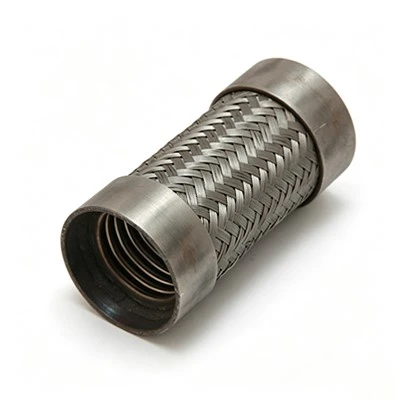
If you’re interested in purchasing metal hoses and the right end fittings for your specific needs, we invite you to contact us for a detailed discussion. We’re eager to assist you in making the best choices for your application.
Metal Bellows References
- "Handbook of Metal Hose Engineering"
- "End Fittings for Fluid Transfer Systems: A Practical Guide"
Yixing Blog Pipeline Equipment Co., Ltd.
As one of the most professional metal hoses manufacturers and suppliers in China, we’re featured by quality products and good service. With abundant experience, we warmly welcome you to wholesale bulk metal hoses in stock here and get quotation from our factory. Customized orders are welcome.
Address: Zhizao Park, No.50 Chunjiang Road, Industrial Cluster Zone, Heqiao Town, Yixing City, Wuxi City, Jiangsu Province
E-mail: 1351116816@qq.com
WebSite: https://www.blogbellows.com/
