Hey there, fellow industrial folks—if you’re running a steel mill, metal foundry, or any operation that relies on electric furnace transformers, you know these bad boys are the unsung heroes of your melt process. I’ve been in this game as an electric furnace transformer supplier for over a decade now, and let me tell you, one of the questions I get asked most isn’t “how much does a new unit cost?” or “can it handle a 50-ton arc furnace?” It’s way more practical: “What the hell are the right maintenance intervals for this thing?” Electric Furnace Transformer
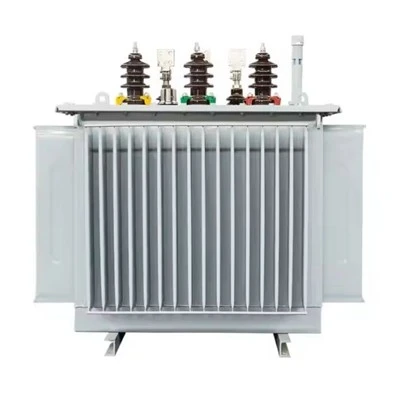
I get it—if you skip maintenance, you’re looking at unplanned downtime that’ll cost you thousands, maybe tens of thousands, in lost production. But if you over-maintain, you’re throwing money away on checks you don’t need. Let me break this down straight, no stuffy jargon, and tie it to what I see every day from my clients.
First, let’s start with the basics: electric furnace transformers (EFTs) aren’t your average distribution transformers. They’re built for rough conditions—constant heavy loads, arc flashes, extreme heat from the furnace, even dust and moisture from foundry floors. So their maintenance schedule isn’t one-size-fits-all. It depends on a bunch of factors: how hard you run the furnace, the environment around the transformer, and how old the unit is. But there are standard intervals that apply to almost every EFT out there.
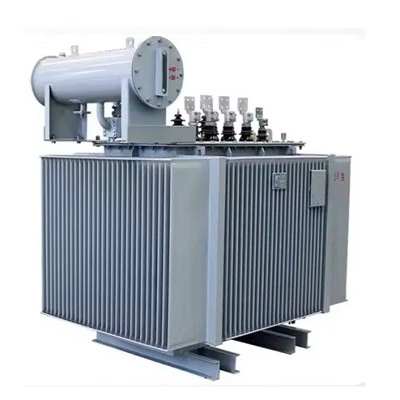
Let’s start with daily checks. Yeah, daily. That’s the shortest interval, and it’s the simplest stuff you can do before you fire up the furnace in the morning. Most operators skip these, but I’ve seen a small leak turn into a catastrophic oil loss because no one checked the gauge for two days. What do you do here? First, visually inspect the oil level. If it’s below the minimum mark on the conservator tank, that’s a red flag—either a small leak or evaporation. EFT oil isn’t just for cooling; it insulates the windings, so low oil = exposed parts = big trouble. Next, check for any weird noises. EFTs hum, sure, but a loud grinding or popping sound? That’s either a loose part inside or a partial discharge, which means you’re risking a winding failure. Also, do a quick walkaround to make sure the cooling fans (if you have forced air cooling) are spinning, and there’s no dust buildup on the radiators. Clogged radiators kill cooling efficiency—overheat the transformer, and you’re looking at a shutdown before the end of your shift. Oh, and if your EFT has a temperature sensor, jot down the top oil temp—normal is around 75-85°C at full load. If it’s over 95°C, that’s a sign something’s off, maybe a dirty radiator or a weak cooling system.
Next up, monthly inspections. This is a step up from daily, and it’s where you dig a little deeper. Monthly is when you test things that you can’t check with a quick glance. First, do an oil sample test—yes, monthly. Wait, I know that sounds like overkill, but EFT oil breaks down fast from the arc’s UV radiation and constant heating. What are you testing for? Dielectric strength (how well it insulates), moisture content (if it’s over 0.1%, that’s water getting into the system, probably from a loose seal), and dissolved gases. Dissolved gases like hydrogen or acetylene are telltale signs of internal faults—like a loose connection or a winding arcing. If those gases are spiking, you don’t wait for quarterly; you call a technician right away. Also, monthly, check all the electrical connections—tighten any loose bolts on the busbars or cable terminals. Vibration from the furnace’s operation can loosen those over time, and a loose connection will generate heat, which eats away at the metal. Oh, and check the pressure relief valve—this is a safety part that opens if the transformer overpressurizes. If it’s stuck closed, you’re at risk of an explosion if something goes wrong.
Then we get to quarterly maintenance. This is a more in-depth check, usually done after every 500-600 hours of furnace operation, or every 3 months, whichever comes first. Quarterly is when you do things like clean the radiators—use compressed air (low pressure, don’t damage the fins) to blow out dust and metal shavings. Metal shavings? That’s a big one—foundry floors get everywhere, and if they get into the radiators, they block airflow. You also test the ground connection—EFTs run on high current, so a bad ground can cause stray currents that damage the furnace lining, which makes your furnace less efficient, and damages the transformer. Also, inspect the bushings—those are the big, ceramic-looking parts that connect the transformer to the furnace. If there’s any cracking, chipping, or a buildup of carbon on the surface, that’s a path for electrical leakage, which can lead to a short circuit. And don’t forget to test the alarm system—if the temp or oil level hits a threshold, does the alarm go off? I’ve had clients ignore a faulty alarm, and they lost a transformer because they didn’t get a warning about overheating.
Now, annual maintenance—this is the big one, the scheduled shutdown that most EFTs need every 12 months, or after 2000 hours of operation, whichever is longer. This is when you open up the transformer (safely, of course—dead, de-energized, grounded before anyone gets near) and do a full internal check. First, you do a full oil filtration or change, depending on how degraded it is. Old oil has acids that eat away at the winding insulation, so if the dielectric strength is below 25 kV, it’s time to replace it. Then, inspect the windings—look for any signs of overheating, discoloration, or loose wires. If you spot burned insulation, that’s a sign you need to address the root cause (bad cooling, loose connections) before it gets worse. Also, check the core and yoke—those are the magnetic parts inside the transformer. If there’s any rust or buildup of metal particles, that can cause magnetic losses, which means your transformer is wasting energy. And last, test the tap changers—those are the parts that adjust the voltage for the furnace. If the tap changer has carbon buildup or loose contacts, it can cause voltage fluctuations, which hurt the furnace’s efficiency and the transformer itself.
Wait, but let’s be real—these intervals aren’t set in stone. I’ve seen a foundry with a 10-ton EFT running 24/7, 6 days a week, where the techs cut corners on daily checks, and they had a major failure at 6 months. On the flip side, a big steel mill with a 100-ton EFT, running only two shifts a day, in a clean, controlled environment, can stretch some intervals. For example, their monthly oil samples can go to every 6 weeks, and their quarterly checks to every 4 months. The key here is your operating conditions. If you’re in a dusty, humid, or harsh environment (like a scrapyard-based foundry), you need to do checks more often. If you’re in a clean indoor steel mill, you can push it a little.
Also, let’s talk about what happens if you skip these intervals. The number one cause of EFT failures I see? Poor maintenance. Loose connections, dirty radiators, degraded oil—all small things that turn into $50k+ replacements, or even worse, a transformer failure that takes your furnace down for a week. I had a client last year who skipped annual maintenance on their 50-ton EFT. When they finally opened it up, they found the winding insulation was completely gone—because the oil had acids eating through it for months. They had to wait 12 weeks for a new unit, and lost over $200k in production. That’s the kind of thing that keeps me up at night, which is why I always emphasize sticking to the schedule.
Now, let’s clear up a common myth: “New transformers don’t need much maintenance.” Yeah, right. Even a brand-new EFT straight from my warehouse needs daily checks. Why? Because the break-in period has a lot of vibration and settling of parts. Loose bolts in the first 3 months are super common, so you can’t skip the daily checks. That’s a mistake a lot of new owners make—they think “it’s brand new, no problems,” and then two months later, they have a leaky oil seal.
Another thing: if you notice any changes between scheduled checks, don’t wait. If your daily temp is 10°C higher than it was last month, that’s a red flag. If the oil sample has higher moisture than usual, investigate immediately. Small issues turn into big ones fast with EFTs—no two ways about it.
Now, as someone who’s been supplying electric furnace transformers for years, I can tell you that the best maintenance plan is the one tailored to your operation. Every foundry or steel mill is different, so a one-size-fits-all schedule doesn’t work. But sticking to the core intervals—daily, monthly, quarterly, annual—will keep your EFT running for 15, even 20 years, instead of 5 or 6. And that’s a huge return on investment.
If you’re not sure what schedule is right for your transformer, or you need help with any maintenance checks, feel free to reach out to our team. We’ve got techs on hand who can walk you through every step, from daily checks to annual shutdowns, and even supply you with parts or replacement transformers if you need them. Don’t wait until a failure shuts you down—proactive maintenance is the cheapest way to keep your operation running.
Dry Type Transformer References
- International Electrotechnical Commission. IEC 60076-7: Power Transformers – Part 7: Oil Immersed Power Transformers for Loading and Maintenance Guide.
- Institute of Electrical and Electronics Engineers. IEEE C57.12.00: Standard for General Requirements for Liquid-Immersed Distribution, Power, and Regulating Transformers.
- American Foundry Society. Maintenance Best Practices for Industrial Transformers in Metal Casting Operations.
Zhejiang Jiangshan Hengli Electrical Co., Ltd.
Zhejiang Jiangshan Hengli Electrical Co., Ltd. is one of the most professional electric furnace transformer manufacturers and suppliers in China, featured by quality products and low price. Please rest assured to wholesale cheap electric furnace transformer in stock here and get pricelist from our factory. Customized orders are welcome.
Address: 212 Fuzhu Street Sidu Town, Jiangshan, Zhejiang, China
E-mail: henglijs@foxmail.com
WebSite: https://www.henlypower.com/
