Hey everyone, let’s cut to the chase— I’m the go-to guy for snooker and pool tables around here, and I get all kinds of wild questions from players, newbies and veterans alike. The one I get asked most at trade shows, via DMs, even at local pub leagues is this: “Can you use pool cues on a snooker table?” Snooker Pool Table
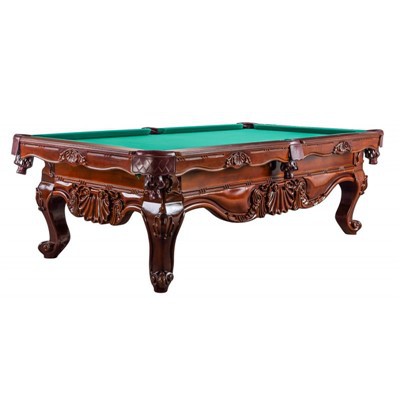
First off, let’s get real— I’ve seen it happen. I’ve walked into a random rec room where some kid grabbed a beat-up pool cue off the wall to mess around on the local snooker table, and I’ve seen a seasoned pool guy grab a snooker cue just to line up a tricky shot and think nothing of it. But just because people do it, does that mean it’s a good idea? As someone who’s built, supplied, and fixed both table types for years, I’ve got a ton of hands-on experience here, not just textbook stuff. Let’s break this down like we’re chatting over a post-match beer, no stuffy jargon.
First, let’s set the two apart because they’re way more different than most casual players realize. I don’t just sell these tables— I adjust them, repair them, and watch hundreds of players hit shots on them every month. A standard 8ft pool cue is usually 58 inches long, right? It’s got a tip that’s 10 to 13 millimeters thick— thick enough to transfer solid power for those break shots, where you need to send the cue ball flying across the pool table. A snooker cue, though? Most are 57 to 59 inches, wait, that’s almost the same length? No, wait, hold on— snooker cues are often a hair slimmer, and the tip is way smaller, like 9 to 10 mm. That’s a tiny difference, but it matters. Also, snooker tables are huge— usually 12ft by 6ft— way bigger than pool tables (which are 7ft, 8ft, or 9ft for standard home/bar setups). The balls are different too: pool balls are 2 1/4 inches, snooker balls are just over 2 inches, a whole 0.2 inches smaller.
Now, let’s talk about the table surface itself. The playing bed of both is made of slate, covered in that felt stuff we call baize. But here’s a key point I’ve drilled into every tech on my team: snooker baize is way tighter woven than pool baize. It’s made to be slower, to give players more control over long shots across that giant table. Pool baize is a bit looser, faster, because pool is usually tighter, shorter games with more power shots. Now, if you take a pool cue’s thicker tip and drag it across snooker baize? Wait, no, let’s start with using a pool cue on a snooker table first, that’s the original question.
When a player uses a pool cue on a snooker table, two things happen that most people don’t notice right away. First, the thicker pool cue tip has more surface area hitting the smaller snooker ball. Snooker is all about precision— you’re hitting that tiny ball just right to get the angle you need across 12 feet of table. A pool cue’s thicker tip can’t make those tiny, precise adjustments as well. I’ve had a regular, a pool league captain, who swore he could “just nail it” on snooker shots with his pool cue, and he missed three easy pots in a row because the tip would slide a tiny bit on the snooker ball’s smooth surface. The smaller snooker ball needs that delicate, focused hit— pool cues are built for power, not that finesse.
Second, here’s the part that messes up the table, which is the stuff most casual players never think about. The pool cue’s tip is made of harder leather, usually, to take the impact of pool’s harder break shots. When you drag that harder tip across snooker’s tighter, more delicate baize? It can snag it. I’ve had customers come to me with snooker tables that have tiny, almost invisible snags in the baize, and when I ask them what they did, 9 times out of 10, they say they used a pool cue to mess around for a bit. Those snags don’t sound like a big deal, but over time, they turn into ripples, and then you have to re-felt the whole table— that’s a $500 to $800 job, easy. Compare that to a snooker cue: their tips are softer, designed to glide over tight baize without snaggling, perfect for those fine touches you need on a big table.
Now, what about the reverse— using a snooker cue on a pool table? I get that question too, and it’s a little less bad, but not exactly great. Pool is about more power— break shots, bank shots, sending the cue ball flying. A snooker cue is slimmer, lighter, and built for finesse, so it doesn’t transfer that same power. I’ve seen a guy use a snooker cue to break on a 9ft pool table, and he barely moved the cue ball, let alone the full rack. It’s not going to wreck your pool table’s baize as much as a pool cue would wreck snooker baize, but you’re not going to get the performance you want. It’s like using a butter knife to tighten a screw— technically you can, but it’s not made for the job, and it’s going to be frustrating.
Wait, but hold on— is there ever a time when it’s okay? I’m not here to be a total snob, like I’m talking to some newbie who’s messing up my tables. Let’s be real: if you’re at a party, you don’t have extra cues, and you just want to line up one quick shot on a snooker table? Sure, grab a pool cue, just don’t go hitting break shots or dragging it hard across the baize. I do, however, recommend that you never make a habit of it. And if you’re a serious player, competing, or even just playing regularly, it’s worth investing in the right gear.
As someone who’s in the snooker pool table game, I’ve seen way too many people cut corners and end up paying more in the long run. Like, I had a customer last year who bought a cheap pool cue to use on his home snooker table, thought he was saving $50, and then had to replace the baize six months later— that cost him $700, way more than the cost of a decent snooker cue. It’s just common sense: gear is made for the sport, so using it as intended makes sense.
Let’s also talk about what we sell, because that’s my side of this. I don’t just supply tables— we stock a full range of cues for both sports, right? We’ve got snooker cues for casual home players, competitive ones, even custom ones for people who want that extra edge. And pool cues for bar leagues, home rec rooms, all that. The thing is, we’ve seen so many people come in asking for a “multi-purpose” cue, but here’s the truth: a cue that’s designed for both is just a mediocre cue at both. You won’t get the precision you want on snooker, or the power you want on pool. Better to pick the right one for your go-to sport, or keep a couple for when you switch.
Another thing I learned over the years: a lot of people confuse table size with cue length, but it’s not that cut and dried. Snooker tables are bigger, so you need enough cue to reach the shot without leaning too far, but that’s more about stance than anything. A good snooker cue is 57 inches, which is enough for even the longest shots on a 12ft table. Pool cues are the same length, but their tip and weight are different for a reason. The weight difference is another thing I never see people mention: pool cues are usually 18 to 21 ounces, snooker are lighter, 17 to 19 ounces. That lighter weight helps with the delicate, controlled strokes snooker requires, while the heavier pool cue works for that power break.
Now, let’s get to the stuff no one tells you: the science part, simplified like I’m explaining to my nephew who’s just getting into the game. The cue ball on a snooker table is smaller, so the contact patch between cue tip and ball is way smaller. That means you need more precise control— a thicker pool cue tip’s bigger contact patch can throw off that tiny angle, making you miss shots you’d nail with a snooker cue. On the baize, snooker cloth is a 60/40 wool/nylon blend that’s super tight, so any rough movement from a pool cue’s harder tip will catch, whereas snooker cloth is made to glide with soft tips.
Wait, but let’s address the counterpoint I hear all the time: “But I’ve used a pool cue on a snooker table a hundred times and nothing’s gone wrong!” Yeah, me too— once or twice. But over time, every drag of that harder tip adds a tiny snag. Those snags accumulate. I’ve seen a 10-year-old snooker table that’s still in great shape, and a 2-year-old one with a rippled baize because the owner used pool cues for every game. It’s not an instant problem, it’s a slow one that sneaks up on you. Same with the cue ball: over hundreds of shots, the harder pool tip can wear down the snooker ball’s surface, making it less round, so it doesn’t roll straight. That’s a $50 fix for a new set of balls, on top of the baize.
So, to wrap this up for all the players out there: can you use a pool cue on a snooker table? Technically, yeah, you can. Just like you could wear running shoes on a hiking trail, or use a phone as a camera. But it’s not ideal, it can damage your table and equipment over time, and it won’t give you the performance you want. For casual, one-off shots at a party, go ahead, just be careful. For regular play, or if you care about your equipment and your game, skip it. Get the right cue for the table you’re using, and save yourself the hassle and extra cost down the line.

Now, if you’re in the market for a snooker table, a pool table, or any of the gear to go with it— cues, balls, baize, even table repairs— I’m your guy. Whether you’re setting up a home rec room, stocking a bar, or upgrading your league’s equipment, we’ve got options that fit every budget, from casual beginner stuff to professional-grade gear. No pressure, no pushy sales stuff— just honest advice from someone who’s been in the game for years, knows the ins and outs, and wants you to have the best experience possible. Reach out whenever you’re ready to chat through what you need. No weird hoops to jump through, just a straight conversation.
Chinese Billiards Table References
- World Professional Billiards and Snooker Association (WPBSA) Equipment Rules.
- Billiard Congress of America (BCA) Standard Equipment Specifications.
- Baize and Cloth Manufacturers Association (BCMA) Textile Guidelines for Table Surfaces.
- International Olympic Committee (IOC) Recognition of cue sports equipment standards.
- Cue Science: A Practical Guide to Equipment Performance by Mark Jeffrey.
Shuai Zhanjiang (Dongguan) Co., Ltd.
As one of the leading snooker pool table manufacturers and suppliers in China, we offer a wide range of products with superior quality. Please rest assured to wholesale snooker pool table made in China here from our factory. We also accept customized orders.
Address: No.50 Siyuan Road, Changping Town, Dongguan City, Guangdong Province
E-mail: cbibilliard01@gmail.com
WebSite: https://www.cbibilliard.com/
