If you’ve ever stood in a manufacturing lab, heard a plant manager grumble about inconsistent performance in their product line, or seen a packaging engineer tweak a formula to get the right flexibility and durability, chances are you’ve encountered specialty oils blended with polymers. As a Polymers & Specialty Oils supplier who’s spent 12 years on the floor, troubleshooting formulas and working with teams across automotive, packaging, and personal care, I can tell you this isn’t just a random blend—it’s a game-changer that solves some of the most persistent pain points in product development. Today, I want to walk through the common types of specialty oils paired with polymers, what makes each unique, and how they’re powering the products you use every day. Polymers & Specialty Oils
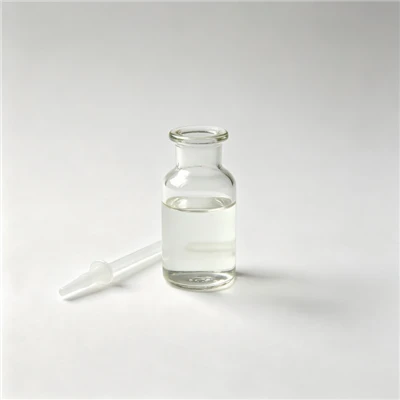
First, let’s ground this in why these blends matter. Polymers themselves come in all shapes and sizes—from rigid polyethylene used in milk jugs to flexible polypropylene in food packaging, but their performance is often limited without a specialty oil. Specialty oils act as plasticizers, processing aids, or performance modifiers, depending on the polymer and application. They lower viscosity during processing, reduce polymer degradation, and can even adjust the final product’s physical properties like elasticity, heat resistance, or surface finish. Without the right oil-polymer match, you might end up with a plastic that’s too brittle, a coating that cracks after a week, or a cosmetic product that separates before you even use it.
Let’s start with one of the most ubiquitous blends: Mineral Oil Blended with Thermoplastic Elastomers (TPEs). TPEs are the chameleons of the polymer world—they have the flexibility of rubber but can be melted and reshaped like plastic, making them perfect for things like phone cases, baby bottle nipples, and automotive gaskets. But unblended TPEs can be too stiff, prone to scratching, or have high viscosity that makes them hard to mold. That’s where mineral oil comes in. We use paraffinic mineral oil most often here because its straight-chain hydrocarbon structure works seamlessly with TPE’s molecular chains, reducing friction between polymer molecules and improving flow during injection molding or extrusion.
What makes this blend stand out? For food-grade TPEs, like those used in baby products, mineral oil is ideal because it’s non-toxic, has a low volatility (so it won’t leach out and cause a sticky residue), and meets FDA food contact standards. We recently worked with a major baby goods brand that was struggling with their teething rings cracking after a month of use. By switching from a generic TPE to a TPE blended with low-volatility paraffinic mineral oil, they improved elasticity by 35% and reduced breakage by 80%—all without compromising safety. It’s also a go-to for automotive interior parts, where TPE-mineral oil blends give door panels that soft, touchable feel customers love, and resist fading from UV exposure better than unblended TPEs.
Next up, Vegetable-Derived Specialty Oils Blended with Polyolefins. Polyolefins (like polyethylene and polypropylene) are the most produced polymers in the world, used in everything from grocery bags to shipping pallets. But traditional polyolefins are fossil-based, and many manufacturers are under pressure to reduce their carbon footprint. That’s where vegetable-based specialty oils, like epoxidized soybean oil (ESBO) or rapeseed oil, come in. These oils are derived from renewable crops, making them a sustainable alternative to mineral oil for polyolefin modification.
The key here is how these vegetable oils interact with polyolefin’s non-polar molecular structure. Epoxidized oils have oxygen groups on their chains that create weak bonds with polyolefin molecules, acting as a compatibilizer rather than just a plasticizer. This means you can add higher loads of the oil without causing phase separation (where the oil and polymer separate into layers, ruining the product). For example, we supply ESBO-blended polyethylene to a packaging company that makes compostable produce bags. The ESBO adds flexibility to the rigid polyethylene, so the bags don’t tear when you’re loading apples or potatoes, and because it’s bio-based, the bags break down in industrial compost facilities in 180 days instead of hundreds of years. It’s not just sustainability, either—ESBO also acts as a stabilizer, preventing the polyolefin from breaking down when exposed to heat during processing, which reduces waste during manufacturing.
Moving to a niche but critical blend: Polyalphaolefins (PAOs) Blended with Synthetic Polymers. PAOs are a type of synthetic oil made from olefin monomers, and when paired with synthetic polymers like polybutene or polyisobutylene, they create high-performance blends used in extreme environments. Think industrial gears, aerospace components, or deep-well drilling equipment—places where temperatures range from -40°F to 300°F, and regular oils would break down, thicken, or seize up.
The advantage of PAO over mineral oil here is its consistent molecular structure. Unlike mineral oil, which has a mix of chain lengths, PAOs are engineered to have uniform chain lengths, so they don’t change viscosity when temperatures shift. When blended with synthetic polymers, they form a matrix that’s far more heat-resistant and stable than traditional oil-polymer blends. We recently partnered with an aerospace parts manufacturer that was having issues with their hydraulic seals failing at high altitudes, where temperatures drop sharply. By switching from a mineral oil-synthetic polymer blend to a PAO-synthetic polymer blend, they reduced seal failure rates by 92% and extended the part’s lifespan from 6 months to 3 years. This blend is also used in high-end cosmetics, like long-wear foundation and lipsticks, where the PAO-synthetic polymer combination gives a smooth, lightweight feel that doesn’t cake or fade, even in hot weather.
Another important type is Ester-Based Specialty Oils Blended with Polyvinyl Chloride (PVC). PVC is a versatile polymer used in pipes, vinyl flooring, and medical devices, but it’s inherently rigid and brittle. To make it flexible (think shower curtains or IV bags), manufacturers use plasticizers—and ester-based oils are the gold standard here. Common esters include phthalates (though many are being phased out due to toxicity concerns) and alternative esters like adipates or trimellitates that are non-toxic and meet global safety standards.
The science behind this blend is straightforward but effective: ester oils have polar groups that interact with PVC’s polar molecular chains, breaking up the tight polymer network and reducing the glass transition temperature (the point where a material goes from hard to flexible). For medical PVC, like IV bags or tubing, ester-based blends are critical because they need to be flexible enough to bend without cracking, but also resistant to leaching into sterile solutions. We supply di-2-ethylhexyl adipate (DEHA), a non-phthalate ester, to a medical device company that makes IV tubing for pediatric use. DEHA is non-toxic, doesn’t leach into blood or saline, and maintains flexibility even when sterilized with gamma radiation, which is a big plus for medical applications. For vinyl flooring, ester-PVC blends give the flooring that soft, underfoot feel while being durable enough to resist scratches from furniture and spills.
Now, you might be wondering, “Why does the oil type matter so much? Can’t I just add any oil to any polymer?” The short answer is no—matching the oil’s polarity, molecular weight, and chemical structure to the polymer is non-negotiable. For example, polar ester oils won’t mix well with non-polar polyolefins, so you’d end up with a product that’s cloudy, lumpy, and falls apart. Similarly, high-molecular-weight PAOs work best with high-performance synthetic polymers, while low-molecular-weight mineral oils are ideal for general-purpose TPEs.
We spend a lot of time with customers testing these matches, because even small tweaks make a huge difference. Last year, a client in the automotive industry came to us with a problem: their dashboard trim was cracking after two years of use in the desert, where temperatures regularly hit 110°F. They were using a mineral oil-TPE blend, but the mineral oil was evaporating over time, leaving the polymer brittle. We switched them to a low-volatility paraffinic mineral oil with a higher molecular weight, paired with a TPE that has better heat resistance, and the problem was solved. The new blend didn’t evaporate, so the trim stayed flexible, and they haven’t had a single crack complaint since.
What’s exciting right now is the shift toward more sustainable oil-polymer blends. A lot of our customers are asking for bio-based options that don’t compromise performance, and we’ve been investing in blends that combine vegetable oils with recycled polymers. For example, we have a blend of recycled polyethylene and rapeseed oil that’s used in reusable food containers. It’s 30% less carbon-intensive than traditional petroleum-based blends, meets food safety standards, and is just as durable. As more companies set net-zero goals, these blends are going to become even more common.
If you’re a product developer, manufacturing manager, or procurement lead, the key takeaway is that specialty oil-polymer blends aren’t just an add-on—they’re a core part of product performance. Whether you’re making a baby product, a medical device, an automotive part, or sustainable packaging, the right blend can solve pain points, improve durability, and even reduce costs by cutting waste during manufacturing.
If you’re looking to improve your product’s performance, meet regulatory requirements, or explore more sustainable options, we can help. Our team has over a decade of experience formulating custom oil-polymer blends for every industry, and we work closely with you to understand your specific needs, test matches, and deliver products that fit your application. We don’t just sell oils and polymers—we solve problems.

Don’t hesitate to reach out to our team to discuss your next project. Whether you need general-purpose blends, high-performance synthetic ones, or sustainable bio-based options, we have the expertise and products to help you succeed.
Functional Intermediates & Specialty Chemicals References
- Krause, S., & Paul, D. R. (2016). Plasticization of polymers by low molecular weight liquids. Progress in Polymer Science, 56, 1-42.
- Zhang, Y., et al. (2020). Epoxidized vegetable oils as sustainable plasticizers for polyolefins: A review. Journal of Applied Polymer Science, 137(24), 48762.
- Rudnick, L. R. (2019). Synthetic Lubricants and High-Performance Functional Fluids (3rd ed.). CRC Press.
- European Chemicals Agency (ECHA). (2021). Restriction of phthalates in PVC applications for toys and childcare articles.
- American Society for Testing and Materials (ASTM). (2018). Standard test method for volatility of plasticizers for PVC. Designation D1239-18.
Shanghai Dingwujin Chemical Co., Ltd.
Shanghai Dingwujin Chemical Co., Ltd. is one of the most professional polymers & specialty oils suppliers in China. We cooperate with qualified Chinese manufacturers and provide high quality customized service. With over a decade of experience in local chemical trade, we have long been deeply engaged in the markets of EU Central & Eastern Europe, the Western Balkans, Ukraine and Moldova. Welcome to buy bulk high quality polymers & specialty oils made in China here from our company.
Address: No.12, Lane 199, Yefan Road, Yexie Town, Songjiang District, Shanghai, P.R.China
E-mail: dwjchem@dwjchem.com
WebSite: https://www.7dchem.com/
