How does flat laminated glass affect the indoor air quality of a building?
As a supplier in the flat laminated glass industry, I’ve witnessed firsthand the increasing demand for this product in construction projects. Beyond its well – known benefits such as safety and noise reduction, one aspect that is often overlooked is its impact on indoor air quality (IAQ) in buildings. In this blog, I’ll delve into how flat laminated glass can positively or negatively influence the air we breathe inside our buildings. Flat Laminated Glass
Positive Impacts on Indoor Air Quality
1. Sealing and Insulation
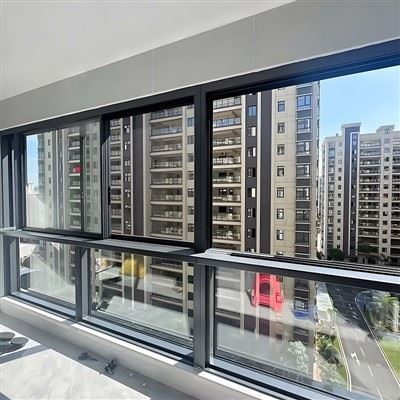
One of the primary ways flat laminated glass enhances IAQ is through its excellent sealing and insulation properties. When properly installed, it forms an air – tight barrier between the indoor and outdoor environments. This prevents the infiltration of outdoor pollutants such as particulate matter (PM), including dust, pollen, and fine soot particles. In urban areas, outdoor air can be filled with harmful substances emitted from vehicles, industrial activities, and construction sites. By blocking these pollutants, flat laminated glass helps maintain a cleaner and healthier indoor air environment.
Moreover, the insulation capabilities of flat laminated glass also contribute to better IAQ. It reduces heat transfer, which means more consistent indoor temperatures. Fluctuations in temperature can promote the growth of mold and mildew, both of which can release spores into the air and cause respiratory problems. By keeping the indoor environment stable, the glass helps mitigate the risk of mold growth and subsequent air quality deterioration.
2. UV Protection
Flat laminated glass typically comes with a UV – blocking interlayer. Ultraviolet rays from the sun can cause damage to furniture, flooring, and other interior materials, leading to the release of volatile organic compounds (VOCs). VOCs are a group of chemicals that can evaporate into the air at room temperature and have various health effects, including eye, nose, and throat irritation, headaches, and in some cases, more serious long – term health problems.
By blocking a significant portion of UV rays, flat laminated glass protects indoor materials from UV – induced degradation. This reduces the off – gassing of VOCs, keeping the indoor air cleaner and healthier for occupants. Additionally, this protection also extends the lifespan of interior furnishings, which is an added bonus for building owners.
3. Noise Reduction and Stress Reduction
While not a direct impact on air quality, the noise reduction capabilities of flat laminated glass can indirectly contribute to better IAQ. High levels of noise pollution can cause stress and anxiety among building occupants. Stress has been linked to a weakened immune system, which can make individuals more susceptible to respiratory illnesses caused by poor air quality.
By reducing external noise, flat laminated glass creates a more peaceful indoor environment. This allows occupants to relax and maintain a stronger immune system, better able to cope with any potential air quality issues. When people are less stressed, they are also more likely to notice and report any problems related to air quality, leading to quicker resolution.
Negative Impacts on Indoor Air Quality
1. Interlayer Off – gassing
Although the interlayer in flat laminated glass is designed to provide safety and other benefits, there is a potential for off – gassing. Some of the chemicals used in the manufacturing of the interlayer material can release VOCs during the initial stages after installation. However, this is usually a short – term issue. High – quality flat laminated glass from reputable manufacturers undergoes strict quality control measures to minimize the levels of VOCs released.
Building owners and contractors can mitigate this problem by choosing low – VOC or VOC – free interlayer materials. Additionally, proper ventilation during the installation and initial occupancy period can help dissipate any released VOCs quickly.
2. Hygroscopic Properties
Certain types of flat laminated glass may have hygroscopic properties, meaning they can absorb and retain moisture from the air. This can create a conducive environment for the growth of bacteria and mold, especially if there are temperature fluctuations or high humidity levels in the building. If the glass is not properly maintained, the moisture trapped between the glass layers or on its surface can lead to the development of microbial colonies.
To address this issue, regular inspection and cleaning of the flat laminated glass are essential. Building managers can also install humidity control systems to maintain optimal indoor humidity levels and prevent excessive moisture build – up around the glass.
Influence on IAQ – related Building Systems
1. Ventilation Systems
The presence of flat laminated glass can impact the design and operation of a building’s ventilation system. On one hand, the air – tight seal provided by the glass reduces the need for excessive ventilation to prevent the infiltration of outdoor pollutants. This can lead to energy savings and more efficient ventilation system operation.
On the other hand, the glass’s insulation properties can slow down air exchange within the building. To ensure adequate IAQ, building owners may need to adjust the ventilation rates and design of the system. For example, mechanical ventilation systems can be set to provide a constant supply of fresh outdoor air while filtering it to remove pollutants.
2. HVAC Systems
Flat laminated glass also affects the heating, ventilation, and air – conditioning (HVAC) systems. By reducing heat transfer, it helps the HVAC system maintain a more stable indoor temperature with less energy consumption. This can indirectly improve IAQ as a well – functioning HVAC system is better able to filter and circulate the air.
However, if the glass causes significant temperature changes in certain areas of the building due to solar gain or loss, it can lead to uneven air distribution. Uneven air distribution can result in stagnant air pockets, where pollutants can accumulate. Building designers need to consider these factors when sizing and positioning HVAC equipment to ensure proper air circulation throughout the building.
Case Studies
Let’s look at a few real – world examples of how flat laminated glass has affected IAQ in buildings.
In a large office building in a busy city center, the installation of high – performance flat laminated glass significantly improved IAQ. After the installation, the levels of outdoor PM inside the building were reduced by up to 70%. The employees reported fewer allergy – related symptoms, such as sneezing and itchy eyes. The building’s ventilation system could be operated at a lower rate, resulting in energy savings while still maintaining a healthy indoor environment.
In a residential project, flat laminated glass with a UV – blocking interlayer was used. Over time, the homeowners noticed less fading of their furniture and flooring. Testing showed that the levels of VOCs released from the interior materials were much lower compared to a similar house without the same type of glass. This demonstrated the ability of flat laminated glass to protect interior materials and reduce VOC emissions.
Considering Flat Laminated Glass for Your Building
When it comes to choosing flat laminated glass for your building project, several factors need to be considered to ensure it has a positive impact on IAQ. First, look for products with low – VOC interlayer materials. Reputable suppliers can provide information on the VOC content of their glass products and offer testing reports if necessary.
Second, pay attention to the installation quality. A proper seal between the glass and the building structure is crucial to prevent air leaks and moisture infiltration. Work with experienced installers who follow industry – best practices.
Finally, consider the overall design of the building’s ventilation and HVAC systems in conjunction with the use of flat laminated glass. Engage with architects and mechanical engineers who can optimize the system design to work in harmony with the glass for the best IAQ results.
As a supplier of flat laminated glass, we are committed to providing high – quality products that not only meet safety and aesthetic requirements but also contribute to better indoor air quality. We understand the importance of clean air in creating a healthy and comfortable indoor environment.
Fire Rated Glass If you are considering using flat laminated glass for your next building project and want to learn more about how it can impact IAQ, or if you are interested in discussing your specific requirements, feel free to contact us. We have a team of experts ready to assist you in making the right choice for your project.
References
- "Indoor Air Quality Handbook." By Steven K. Milton, et al.
- "The Encyclopedia of Building Materials." Edited by John P. Newman.
- Peer – reviewed research papers on the properties and applications of flat laminated glass in construction and their impact on indoor air quality.
Suzhou Dingcheng Tempered Glass Co., Ltd.
As one of the most professional flat laminated glass manufacturers and suppliers in China, we also support customized service. We warmly welcome you to wholesale high quality flat laminated glass made in China here from our factory. If you have any enquiry about free sample, please feel free to email us.
Address: No.777 Limin North Road, Lili Town, Wujiang District, Suzhou City, Jiangsu Province
E-mail: Dingchengglass@163.com
WebSite: https://www.dingchengglass.com/
