Are acoustic wall panels suitable for a lecture hall?
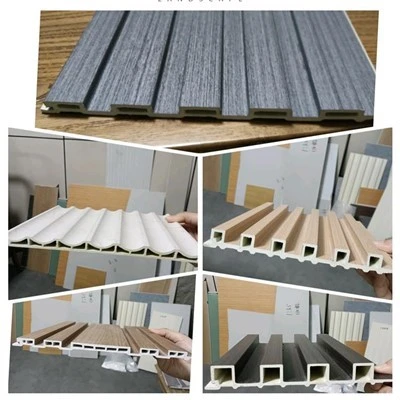
As a supplier of acoustic wall panels, I’ve been asked this question countless times. The answer isn’t a simple yes or no; it depends on various factors that are crucial to the functionality and acoustics of a lecture hall. In this blog, I’ll delve into the details of why acoustic wall panels can be an excellent addition to a lecture hall, the considerations you need to keep in mind, and how to make the best choice for your specific space. Acoustic Wall Panel
The Importance of Acoustics in a Lecture Hall
Before we discuss whether acoustic wall panels are suitable, let’s understand why good acoustics are essential in a lecture hall. A lecture hall is a place where information is disseminated, and clear communication is paramount. Poor acoustics can lead to a range of problems, such as:
1. Speech Intelligibility
In a large lecture hall, sound can bounce off hard surfaces like walls and ceilings, creating echoes and reverberations. These can make it difficult for the audience to understand the speaker, especially if the hall is filled with a large number of people. According to research, even a small increase in reverberation time can significantly reduce speech intelligibility. For instance, in a study published in the Journal of the Acoustical Society of America, it was found that a reverberation time of 1.5 seconds can reduce speech intelligibility by up to 20% compared to a reverberation time of 0.5 seconds.
2. Audience Engagement
When the acoustics are poor, the audience may become distracted or disinterested. They may have to strain to hear the speaker, which can lead to fatigue and a decrease in attention span. On the other hand, good acoustics can enhance the overall learning experience, making it easier for the audience to focus on the lecture and engage with the content.
3. Speaker Comfort
A speaker in a poorly acoustically designed lecture hall may have to raise their voice to be heard, which can lead to vocal strain and fatigue. This can also affect the quality of the presentation, as the speaker may become less confident and engaging. With good acoustics, the speaker can communicate more effectively without having to overexert themselves.
How Acoustic Wall Panels Work
Acoustic wall panels are designed to absorb sound waves and reduce the amount of sound that reflects off surfaces. They work by converting sound energy into heat energy through a process called absorption. When sound waves hit the surface of an acoustic wall panel, they cause the fibers or materials inside the panel to vibrate. These vibrations are then dissipated as heat, reducing the amount of sound that is reflected back into the room.
There are different types of acoustic wall panels available, each with its own unique properties and absorption characteristics. Some common types include:
1. Fiberglass Panels
Fiberglass panels are one of the most popular types of acoustic wall panels. They are made from fine glass fibers that are compressed together to form a dense panel. Fiberglass panels are highly effective at absorbing sound, especially in the mid to high frequency range. They are also relatively lightweight and easy to install.
2. Mineral Wool Panels
Mineral wool panels are similar to fiberglass panels but are made from natural or synthetic mineral fibers. They offer good sound absorption properties and are also fire-resistant, making them a popular choice for commercial applications such as lecture halls.
3. Fabric-Wrapped Panels
Fabric-wrapped panels are made by covering a core material, such as fiberglass or mineral wool, with a decorative fabric. They offer a combination of good sound absorption and aesthetic appeal, making them a popular choice for lecture halls where appearance is also important.
4. Perforated Panels
Perforated panels are made from materials such as wood, metal, or plastic that have small holes or perforations in them. These perforations allow sound waves to enter the panel and be absorbed by the material inside. Perforated panels can be designed to have different absorption characteristics depending on the size and spacing of the perforations.
Benefits of Using Acoustic Wall Panels in a Lecture Hall
Now that we understand how acoustic wall panels work, let’s look at some of the benefits of using them in a lecture hall:
1. Improved Speech Intelligibility
By reducing echoes and reverberations, acoustic wall panels can significantly improve speech intelligibility in a lecture hall. This means that the audience can hear the speaker more clearly, even in a large and crowded space. Improved speech intelligibility can lead to better learning outcomes and a more engaging lecture experience.
2. Reduced Background Noise
Acoustic wall panels can also help to reduce background noise in a lecture hall. This can include noise from outside the building, such as traffic or construction noise, as well as noise from inside the building, such as HVAC systems or people moving around. By reducing background noise, the focus can be on the speaker and the lecture content.
3. Enhanced Aesthetics
In addition to their acoustic benefits, acoustic wall panels can also enhance the aesthetics of a lecture hall. They are available in a wide range of colors, textures, and designs, allowing you to choose a panel that complements the existing decor of the space. Fabric-wrapped panels, in particular, can add a touch of elegance and professionalism to a lecture hall.
4. Energy Efficiency
Some acoustic wall panels are made from materials that have good insulation properties. These panels can help to reduce heat transfer through the walls, which can lead to energy savings. By reducing the need for heating and cooling, acoustic wall panels can contribute to a more sustainable and energy-efficient lecture hall.
Considerations When Using Acoustic Wall Panels in a Lecture Hall
While acoustic wall panels offer many benefits, there are also some considerations that you need to keep in mind when using them in a lecture hall:
1. Room Size and Shape
The size and shape of the lecture hall can have a significant impact on the effectiveness of acoustic wall panels. In general, larger rooms require more acoustic treatment to achieve good acoustics. The shape of the room can also affect the distribution of sound waves, so it’s important to consider the layout of the space when choosing the location and type of acoustic wall panels.
2. Speaker Location and Microphone System
The location of the speaker and the type of microphone system used can also affect the acoustics of a lecture hall. If the speaker is located too far from the audience or if the microphone system is not properly set up, it can be difficult for the audience to hear the speaker clearly, even with acoustic wall panels. It’s important to ensure that the speaker is located in a position where their voice can be effectively amplified and distributed throughout the room.
3. Fire Safety Regulations
When choosing acoustic wall panels for a lecture hall, it’s important to consider fire safety regulations. Some materials used in acoustic wall panels, such as fiberglass and mineral wool, are fire-resistant, but it’s still important to ensure that the panels meet the relevant fire safety standards. You may also need to consider the installation method of the panels to ensure that they are properly secured and do not pose a fire hazard.
4. Budget
The cost of acoustic wall panels can vary depending on the type of panel, the size of the space, and the installation requirements. It’s important to consider your budget when choosing acoustic wall panels for a lecture hall. While it may be tempting to choose the cheapest option, it’s important to remember that quality is important when it comes to acoustics. Investing in high-quality acoustic wall panels can provide long-term benefits in terms of improved speech intelligibility and a more comfortable learning environment.
Making the Right Choice
When it comes to choosing the right acoustic wall panels for a lecture hall, there are several factors that you need to consider. Here are some tips to help you make the right choice:
1. Conduct an Acoustic Analysis
Before choosing acoustic wall panels, it’s important to conduct an acoustic analysis of the lecture hall. This can involve measuring the reverberation time, background noise level, and speech intelligibility of the space. An acoustic analysis can help you identify the areas of the room that need the most treatment and determine the type and amount of acoustic wall panels that are required.
2. Choose the Right Type of Panel
As discussed earlier, there are different types of acoustic wall panels available, each with its own unique properties and absorption characteristics. When choosing a panel, it’s important to consider the specific needs of the lecture hall, such as the size of the space, the type of lectures that will be given, and the aesthetic requirements of the room. A professional acoustic consultant can help you choose the right type of panel based on your specific needs.
3. Consider the Installation Method
The installation method of the acoustic wall panels can also affect their effectiveness. It’s important to ensure that the panels are properly installed and secured to the walls to prevent any gaps or air leaks. A professional installer can ensure that the panels are installed correctly and that they provide the maximum amount of sound absorption.
4. Work with a Reputable Supplier
When choosing an acoustic wall panel supplier, it’s important to work with a reputable company that has a proven track record of providing high-quality products and services. A reputable supplier can provide you with expert advice and guidance on the selection and installation of acoustic wall panels, as well as offer a warranty on their products.
Conclusion
In conclusion, acoustic wall panels can be a highly suitable addition to a lecture hall. They offer a range of benefits, including improved speech intelligibility, reduced background noise, enhanced aesthetics, and energy efficiency. However, it’s important to consider the specific needs of the lecture hall, such as the room size and shape, speaker location, fire safety regulations, and budget, when choosing acoustic wall panels. By conducting an acoustic analysis, choosing the right type of panel, considering the installation method, and working with a reputable supplier, you can ensure that you make the right choice for your lecture hall.
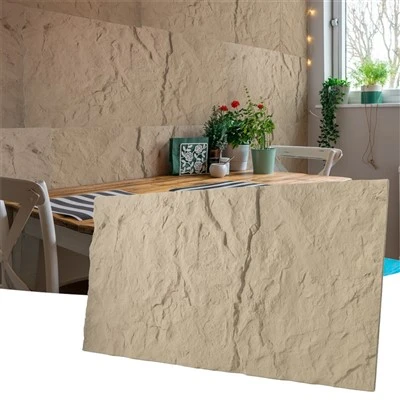
Other Wall Panels If you’re interested in learning more about our acoustic wall panels or discussing how they can benefit your lecture hall, please don’t hesitate to get in touch. We’re here to help you create the perfect acoustic environment for your educational needs.
References
- Beranek, L. L. (1962). Music, Acoustics, and Architecture. John Wiley & Sons.
- Kryter, K. D. (1970). The Effects of Noise on Man. Academic Press.
- National Research Council (2002). Architectural Acoustics: Performance Criteria, Design Guidelines, and Noise Control for Schools. The National Academies Press.
Shandong Dowell Decorative Material Co., Ltd.
With abundant experience, we are one of the most professional acoustic wall panel manufacturers and suppliers in China. We warmly welcome you to wholesale premium acoustic wall panel at competitive price from our factory. If you have any enquiry about cooperation, please feel free to email us.
Address: Room 913, 9th Floor, International Trade Service Center, No. 100 Lingong Road, Comprehensive Bonded Zone, Chaoyang Street, Yihe New District, Linyi City, Shandong PR, China
E-mail: info@dowellpanel.com
WebSite: https://www.dowellspcfloor.com/
