Hey there, if you’re running a grocery store, bakery, deli, or any food spot that uses refrigerated display cases, I get it—mold in those things is the last headache you need. As someone who’s been in the refrigerated display case game for years (not some random AI talking at you, I promise), I’ve seen way too many shop owners lose inventory, deal with food safety scares, or stress over cleanup because mold snuck into their cases. The good news? Preventing mold isn’t rocket science, and a lot of it has to do with small, consistent habits plus picking the right equipment (yeah, I’m biased, but hear me out) that works with your workflow, not against it. Refrigerated Display Case

First off, let’s get one thing straight: mold loves cold, damp, dark spots. Your refrigerated display case is basically a mold vacation home if you’re not on top of it. I’ve seen cases where a little crumb of cheese got stuck behind the shelf liner, or a spilled juice dried in the drip tray, and within a week—boom—gray, fuzzy mold growing where customers can see it, or even worse, hidden behind the fan shroud. The worst part? Mold doesn’t just look gross. It can make food unsafe, trigger employee allergies, and if a health inspector stops by, they’ll flag it faster than you can restock the yogurt. I’ve had a client tell me a mold spot cost them $1,200 in fines once, so this stuff isn’t just “cleaning stuff”—it’s business protection.
Let’s start with the basics you’re probably skipping, and yes, I’ve been guilty of slacking on these when I was a store manager back in the day. First up: airflow. Your refrigerated display case needs good airflow to keep every corner at the right temp (usually 34–38°F for most deli, produce, and dairy) because if a spot’s warmer than that, mold gets comfortable. Here’s the thing: if you pack the case too tight—stacking produce over the air vents, shoving trays of cookies right up against the back wall—you’re blocking that cool air from circulating. I once watched a bakery owner fill their pastry case so full that the top shelf was pressing on the air grille. After a week, mold grew on the bottom of the top shelf liners because that area was 5°F warmer than it should’ve been. Rule of thumb: leave 2–3 inches of space between food items and the air vents, and don’t overpack shelves. Yeah, you might sell a few more pastries, but you’ll avoid mold that makes you throw half them out anyway.
Next up: daily (yes, daily) surface cleaning. I know, after a 12-hour shift, scrubbing the display case is the last thing you want to do. But think—what’s the easiest way to keep mold from setting in? Wipe up spills right when they happen. If someone knocks over a soda, or a bag of lettuce leaks, don’t wait until closing to mop it up. Even a tiny puddle can turn into mold city in 24 hours. For the visible surfaces (shelves, door glass, the front of the case), use a gentle, food-safe cleaner—no bleach, it’s harsh for food contact surfaces and can leave a smell that sticks. I recommend a mix of warm water and a little dish soap, or a product made for commercial refrigeration. Also, don’t forget the parts customers don’t see: the inside edges of the door, the drip tray, and the areas around the base of the case. I once had a client who never cleaned their drip tray, and it got so moldy that the spores were blowing into the produce section of the adjacent shelf—you couldn’t even see the mold, but when we pulled the tray out, it was black and growing. Gross, right? Pro tip: if your drip tray is removable, take it out every night, scrub it with hot soapy water, and dry it completely before popping it back in. Wet trays = mold bait.
Now, let’s talk about the hidden stuff that a lot of people overlook—fan and condenser maintenance. Wait, you didn’t think the fan just runs forever, did you? Those fans circulate air, but dust and food crumbs can build up on the fan blades, making them work less efficiently, which leads to uneven temps. And the condenser coil—usually at the bottom or back of the case—if that’s covered in dust or grease, the fridge has to work harder, which can cause excess moisture buildup. I tell every client I work with: do a quick check of the fan and condenser once a month. For the condenser, if it’s a “self-cleaning” one, great, but even then, give it a quick wipe with a soft brush or vacuum (make sure it’s unplugged first, safety first) to get rid of buildup. If you don’t, you might end up with the case running too warm, which is mold heaven. I had a deli owner last year whose mold problem kept coming back until we realized his condenser was covered in flour dust (he makes fresh bread in-store) and the fan wasn’t spinning right. Fixed those, and no more mold. Game changer.
Here’s where my side of this comes in—picking the right refrigerated display case that’s built to fight mold. Not all cases are equal, trust me. I’ve seen cheap, no-name cases that have tiny air vents and hard-to-reach nooks where mold hides, and high-quality ones with smooth, seamless interiors that wipe down easy and designed for consistent airflow. For example, the best cases have stainless steel interiors (no cracks or crevices where food crumbs get stuck) and sealed drip trays that don’t let water seep into hidden areas. Some even have anti-microbial coatings on the interior surfaces now—those work by preventing mold spores from attaching and growing, which is a huge help. I’m not gonna lie, investing in a good case upfront saves you from spending hundreds on cleanup, fines, and wasted inventory later. A lot of small shop owners try to go for the cheapest case, but I always tell them: mold problems will cost you way more than a slightly pricier, better-made case.
Wait, also—temperature management. This is non-negotiable. Your refrigerated display case should be set to 34–38°F, max. If you set it warmer (some people do that to save electricity, stupid, I know), the food stays fresher, yes, but mold loves temps between 40–140°F— that’s called the “danger zone” for a reason. I recommend keeping a separate thermometer inside each case, not just relying on the case’s built-in temp gauge. Built-in gauges are often off by a few degrees, and that small difference can make all the mold difference. Check the thermometer twice a day—morning before the shop opens, and mid-afternoon when it’s busiest and the case is working hardest. If the temp creeps over 38°F for more than a couple hours, troubleshoot it before mold shows up. Could be a blocked vent, a dirty condenser, or the door not closing all the way (another hidden issue—if the door gasket is cracked or dirty, warm air gets in, making the case work harder and build up moisture). Speaking of gaskets: check those every month. Run a dollar bill between the gasket and the case door—if the bill slides easy, the gasket is worn and letting air in. Replace it, and you’ll cut down on moisture and temp issues, which cuts down on mold.
Oh, and don’t forget about stock rotation. First-in, first-out, right? Not only does that keep food fresh, but it also means you’re not leaving old food in the case for weeks, which is a perfect mold source. If you have a carton of milk that’s been there for 10 days, move it to the front and put new milk in the back. That way, you’re not forgetting about food that could go bad and grow mold. I’ve had a coffee shop client who kept a half-eaten pastry in the back of their display case for three weeks because no one saw it. When they finally threw it away, they found mold spores all over the back shelf. Rotating stock isn’t just food safety—it’s mold prevention.
Wait, what about produce-specific tips? Produce gives off moisture, right? So if you’re displaying veggies or fruit, don’t put them in air-tight containers unless they’re meant to be. Most produce needs some air circulation to keep moisture from building up. I once had a produce manager seal all their tomatoes in plastic bins, and within a few days, mold grew on the bottom because there was nowhere for the excess moisture to go. Use perforated bins for produce, or leave them loose in the case so air can flow around them. Also, wipe down any produce that leaks before putting it in the case—no need for extra puddles.
Let’s talk about common mistakes I see all the time, just to make sure you’re not falling for them. Mistake #1: Using the same cloth for the case and the dirty floor. Gross, I know. If you wipe up a spill on the shelf, don’t use that same rag to wipe the drip tray—you’re spreading mold spores around. Keep separate cleaning cloths for the display case, floor, and restrooms. Mistake #2: Ignoring the back of the case. A lot of people clean the front shelves and forget the back wall of the display case, where crumbs and moisture collect. Make sure when you clean, you pull all the shelves out and wipe the back wall too. Mistake #3: Not training your staff. If your employees don’t know why they’re supposed to wipe up spills right, or leave space between food and vents, you’ll still have mold even if you do everything else. Do a quick 10-minute huddle once a month to go over these tips—way easier than dealing with mold later.
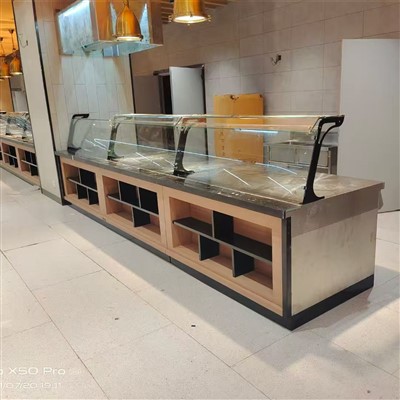
Here’s the thing: mold in refrigerated display cases isn’t unavoidable, but it is preventable with consistent habits and the right equipment. I’ve been working with food service businesses for over a decade, and I’ve seen clients go from dealing with monthly mold scares to never having a issue because they stopped skipping the small steps. It’s not about being perfect every single day—it’s about staying on top of those daily wipes, monthly checks, and not overpacking the case. And if you’re in the market for a new refrigerated display case? We’ve got models designed specifically to cut down on mold risks—seamless interiors, optimized airflow, easy-to-clean parts, and anti-microbial options. They’re built to work with your workflow, not against it, so you can spend less time scrubbing and more time running your business.
Refrigerated Display Case If you’re tired of fighting mold in your display cases, or want to pick out a case that’ll help you avoid that headache, let’s connect. We can chat about your specific setup—whether it’s a deli, bakery, grocery, or convenience store—and figure out what works best for you, no pushy sales stuff, just real advice from someone who’s been in the trenches with these issues.
References
- Food and Drug Administration (FDA). (2023). Food Safety: Mold. Retrieved from FDA.gov
- National Restaurant Association. (2022). Commercial Kitchen Maintenance Guide for Refrigeration Units. Retrieved from Restaurant.org
- Centers for Disease Control and Prevention (CDC). (2021). Preventing Mold in Food Service Establishments. Retrieved from CDC.gov
- Commercial Refrigeration Contractors Association. (2023). Airflow Best Practices for Display Refrigeration. Retrieved from CRCA.org
Jinhua Kate Refrigeration Equipment Co., Ltd.
We are one of the most professional refrigerated display case manufacturers in China, also support customized service with low price. Please rest assured to wholesale bulk high quality refrigerated display case for sale here from our factory. If you have any enquiry about quotation, please feel free to email us.
Address: Room 101, No. 21, Southwest Sixth Road, Xin’an Village, Xin’an Community, Duohu Subdistrict, Jindong District, Jinhua City, Zhejiang Province
E-mail: 2528940364@qq.com
WebSite: https://www.katekool.com/
