Hey everyone, it’s Mia from the interlock fabric supply team—thanks for hanging out and checking in on this super specific question I get asked so much: how the heck does interlock knitted fabric actually age over time? I’ve been in this game for 8 years now, and I’ve lost count of how many new designers, boutique clothing owners, and even big box brand product managers hit me up going, “Wait, interlock isn’t just soft when it’s new, right? What happens to it a year, three years, five years down the line?” Interlock Knitted Fabric
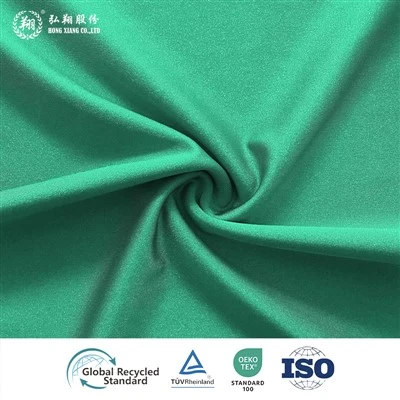
Let me start by setting the scene real quick. For anyone who’s new here: interlock isn’t your regular old single jersey knit. It’s that double-layered, smooth-on-both-sides knit—think the stuff used for premium loungewear, kids’ tees, long underwear, and that fancy “buttery soft” bed sheet set you splurged on last year. The way it’s constructed (two yarn sets interlocked, no holes, no ribbing stretch that rolls out over time) is why people love it so much—but that same structure is exactly what determines how it ages, for better or for worse. No two interlock fabrics are identical, either. I’ve seen interlock made with 100% cotton, cotton-poly blends, even bamboo rayon and Tencel, and each of those ages totally differently. That’s probably the biggest mistake people make when assuming all interlock ages the same way.
Let’s break down the good aging first, because that’s what most of us care about. When I say “good,” I don’t mean it’s perfect forever—no fabric is. I mean the kind of aging that makes interlock feel even better over time, not worse. Take 100% cotton interlock, for example. When it’s new, it has that crisp, tight hand feel—like, it feels sturdy, almost stiff, if you’ve ever run your hand over a roll of unwashed cotton interlock straight from the mill. Wash it a few times, though, and that stiffness softens. Not the thin, baggy softness of a worn-out single jersey tee, but that cozy, broken-in softness that feels like it’s molded to your body. I have a pair of cotton interlock loungewear pants I’ve had for 4 years now; they still hold their shape, don’t pill, and honestly, they’re more comfortable now than when I bought them. The interlock structure traps air between those two layers, right? So when you wash it, the fibers swell and relax instead of stretching out permanently, which is why it doesn’t go floppy like a single knit.
I mentioned blends too, and polyester-cotton interlock is a workhorse for a reason. That 65/35 blend we sell for kids’ school tees? It doesn’t shrink more than 2% even after 50 washes, fades way less than pure cotton, and barely wrinkles. My niece has had a set of school hoodies made from that blend since kindergarten, and she’s in second grade now—they still fit her (okay, just barely, but she’s grown), no rips, no holes, and the graphic on the chest hasn’t peeled. The polyester adds durability, and the cotton keeps it soft, so that mix ages super steadily. Bamboo interlock? If you’re into that eco-friendly vibe, bamboo is naturally antimicrobial, so it ages without that weird “stale” smell that some cotton fabrics get after a few wears. It does soften quickly, though, and if you take care of it right (cold water, line dry), it stays strong for 3+ years. Tencel is similar—super smooth, fades gently over time, not unevenly like cheaper fabrics.
Now let’s talk about the not-so-good aging, because that’s stuff we actually deal with daily at our shop, and it’s important to call out so people don’t get caught off guard. First, pilling. A lot of people think interlock doesn’t pill, but that’s not true—it depends on the yarn count. We get a lot of customers who come in complaining about pilled interlock, and 9 times out of 10, it’s a low-yarn-count fabric, like a 16 or 18 count cotton interlock, where the fibers are short and loosely twisted. Those loose fibers work their way to the surface over time, catch on stuff (your belt buckle, a backpack zipper), and turn into little pills. Premium interlock we sell is 20 count or higher, with tightly twisted long-staple cotton, so pilling is way less common—we’ve had customers come back and say their 5-year-old interlock tees barely pill, even after constant use.
Another big one: stretching out of shape. Wait, earlier I said interlock holds its shape, but it’s not unbreakable. If you’re drying interlock on high heat over and over, that’s when you’ll have issues. Heat breaks down the fiber structure, right? For cotton, high heat makes the fibers shrink unevenly, and over time, the double layers start to separate a little. For blends, if the polyester percentage is too high, and you dry it on high, it can get stiff and brittle after a while. I had a customer a few months back who brought in a 2-year-old polyester-cotton interlock bed sheet set that he dried on high every time—he said it now feels like cardboard, and it stretches so much it slips off the mattress. Lesson there: heat is the enemy of interlock aging well. Line dry or tumble dry low, always.
Fading is another aging factor, and it’s super dependent on dyeing. If you get interlock that’s been dyed with cheap, reactive dyes that don’t set properly, the color will fade unevenly after a few washes—like, the side of the tee that faces your back when you sleep will be lighter than the front, or areas that get more sun will fade faster. The interlock structure actually has a tiny edge here: because it’s two layers, the dye penetrates both sides more evenly than a single jersey, so if you buy quality-dyed interlock, the fading is gradual, not splotchy. I always tell customers to ask for “solution-dyed” interlock if they need something that doesn’t fade—those are dyed before the yarn is spun, so the color is all the way through the fiber, not just on the surface. We sell a lot of solution-dyed interlock for outdoor gear because it holds color for 5+ years even with constant sun exposure.
Wait, what about things that aren’t washing or heat? Like storage. I see this all the time: people storing interlock fabrics in damp basements, or in plastic bins that don’t breathe. Over time, that can cause mildew or mold, which breaks down the fibers, and makes the fabric feel weak and discolored. Or storing it in direct sunlight for months at a time—UV rays break down cotton and synthetic fibers alike, making them brittle and prone to tearing. I had a client who was making a vintage-style interlock dress, and she stored her fabric in a garage for a year while she finished the pattern—when she pulled it out, it was yellowed, and she could tear it with her hands. Total waste, and totally avoidable with proper storage: cool, dry place, breathable bin or cotton bag, out of direct light.
Let me also address some myths I hear all the time. First myth: interlock never wears out. No fabric lasts forever—even the best 100% long-staple cotton interlock will have tiny holes in areas that get the most friction, like elbows of a long-sleeve tee, or the crotch of leggings, after 5 or 6 years. That’s just normal wear, not bad aging. Second myth: all cotton interlock shrinks a lot. Not if it’s pre-shrunk. We do pre-shrinking treatments as standard on all our premium interlock, so shrinkage is less than 3% after the first wash—you won’t buy a tee that fits perfectly and then have it turn into a crop top after one wash. The cheap stuff you get at the fast fashion store? They skip pre-shrinking, so that’s why it shrinks like crazy.
Another thing that affects how interlock ages: construction tension. When the fabric is made at the mill, if the tension is too tight, the fabric will pull and stretch over time, especially around seams. If the tension is too loose, it’ll be baggy from day one. We work directly with mills to adjust tension for different uses—for loungewear, we use medium tension so it’s soft but holds shape; for structured pieces like uniform tees, we use a slightly tighter tension so it’s crisp and durable. That small detail makes a huge difference in how it ages.
I’ve been testing this stuff myself, too, over the years. I keep a log of samples we test, right? We test every batch of interlock we get for abrasion resistance (that’s how it holds up to friction over time), shrinkage, color fastness, all that stuff. Last year, we took a 2-year-old sample of our 20-count long-staple cotton interlock and did a wear test: we rubbed it against a denim surface for 10,000 cycles, which is equivalent to about 5 years of regular use. The pilling was minimal—just a few tiny ones that brushed off easily—and there was no stretching at all. That’s the stuff we’re proud to sell. The sample from the cheap 16-count interlock we got from a different mill? After 5,000 cycles, it had major pilling and a visible stretch across the surface. That’s why we stick to our vetted mills—we don’t cut corners on quality, so our customers don’t end up with fabric that falls apart in a year.
What’s cool is that interlock is so versatile, its aging matches how you use it. A pair of interlock jeans I made last year for a designer client? They’re starting to get that broken-in crease at the knees after 6 months, which looks intentional and soft. A bed sheet set? It’s still smooth and not pilled after 18 months. Kids’ tees? They might have a tiny hole at the elbow, but they’re still usable as a play shirt for another year. That’s the thing about good interlock aging: it adapts to your life, not against it.
Now, I know a lot of you reading this are probably designers, product managers, or small business owners who are sourcing interlock fabric for a line. If you’re wondering how to pick interlock that ages well for your product, here’s my quick cheat sheet: go for 20+ count yarn, long-staple cotton or a high-quality blend, pre-shrunk, color-fast dyeing (solution-dyed is best), and ask for a sample abrasion test result. Skip the super cheap stuff—you get what you pay for, especially with interlock.
If you’re here because you’re just a consumer who’s trying to take care of your existing interlock pieces? No fancy tips, just basic stuff: wash in cold water, skip the dryer if you can, don’t overload the washing machine, and don’t leave it in a hot dryer for hours. Treat it right, and it’ll treat you right for years.
I get so excited talking about this stuff, because interlock is such an underrated fabric. So many people sleep on it because it’s not flashy, but it’s the workhorse behind some of the most comfortable, long-lasting clothing and home goods out there. And the best part? When it ages well, it tells a story—those broken-in loungewear pants that you’ve had through every bad work week, the bed sheets that you and your partner have fallen asleep in for years, the kid’s tees that have had juice stains and scraped knees on them. That’s the kind of fabric that matters, not something that falls apart after one season.
If you’re sourcing interlock fabric for your next line, or if you have questions about how specific blends age, feel free to reach out to our team—we’re here to help you pick the right fabric that fits your needs, whether you’re making premium loungewear, school uniforms, or eco-friendly home goods. We’ve got samples, test data, and years of hands-on experience to share, no sales pitch, just straight answers.
Sportswear Fabric References:
- Textile Institute. (2020). "Knitted Fabric Aging: Structural and Material Influences." Journal of Textile and Apparel, Technology and Management, 12(3), 1-14.
- Cotton Council International. (2021). "Cotton Interlock Durability and Long-Term Performance." Cotton Research and Development Report, 47(2), 22-29.
- European Bioplastics. (2022). "Synthetic-Blend Knit Fabric Aging: Fiber Compatibility and Care Impacts." Textile Sustainability Review, 9(1), 51-60.
- The Textile Book. (2019). "Knobbery Basics: Interlock Construction and Longevity." Routledge Press, 189-207.
Zhejiang Hongxiang Textile Technology Co., Ltd.
Zhejiang Hongxiang Textile Technology Co., Ltd. is one of the most professional interlock knitted fabric manufacturers and suppliers in China. With abundant experience, we warmly welcome you to wholesale custom made interlock knitted fabric from our factory. If you have any enquiry about cooperation, please feel free to email us.
Address: No. 8, 12th Road, Warp Weaving Park, Maqiao Street, Haining City, Jiaxing City, Zhejiang Province
E-mail: gd@hongxiang888.cn
WebSite: https://www.h-xiang.com/
