If you’ve ever walked through a manufacturing facility, distribution center, or any industrial space where heavy machinery hums day and night, you’ve likely seen machine guard mesh panels. They’re the unsung heroes of workplace safety, standing between workers and rotating gears, conveyor belts, and sharp moving parts. For years, as a supplier of these panels, one question has crossed my desk more than any other: Are machine guard mesh panels recyclable? It’s a fair question—and one that’s grown more urgent as businesses across the globe shift toward sustainable operations, reducing waste, and cutting their carbon footprints. Too often, the answer is painted with a broad brush: “metal is recyclable, so of course it is.” But in the real world, things are rarely that simple. As someone who’s spent a decade troubleshooting these panels, fielding questions from plant managers, sustainability officers, and small business owners, I’ve learned that recyclability isn’t a yes or no answer—it’s a nuanced conversation that depends on materials, design, and what happens to the panel when it reaches the end of its life. Machine Guard Mesh Panels
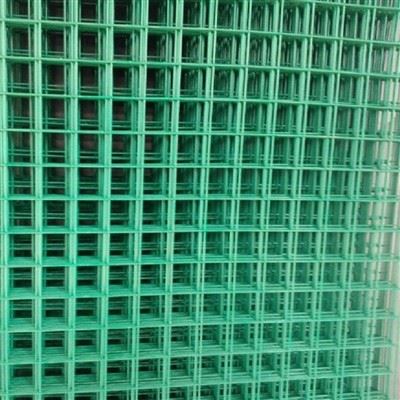
Let’s start with the basics: most machine guard mesh panels sold today are made from steel. Steel is one of the most recycled materials on the planet, with the World Steel Association reporting that over 85% of steel products are recycled globally each year. That statistic sounds promising, but here’s the catch: steel recycling works best when the material is pure, free from contaminants, and sorted correctly. Machine guard panels, though, aren’t just plain steel. They’re often coated or finished for specific purposes—think galvanized steel, powder-coated finishes, or even stainless steel for harsh environments like food processing or chemical plants. Each of these coatings changes how the panel interacts with recycling processes, and not all of them are easy to remove.
Galvanized steel, which is steel coated with a thin layer of zinc to prevent rust, is the most common choice for machine guards. On one hand, zinc is recyclable too; when processed in a steel mill, the zinc can be separated and reclaimed, usually through a process called “bath melting.” But here’s the downside: if the zinc isn’t removed properly during the recycling run, it can contaminate the steel batch, weakening its structural integrity. For steel mills, especially those that produce high-grade structural steel, even small amounts of zinc can cause defects, so many will reject galvanized scrap unless it’s pre-treated. That means if your old machine guard panels are left as-is, they might end up in a landfill instead of a recycling bin.
Powder-coated panels, another popular option, add even more complexity. Powder coating is a dry, electrostatically applied finish that’s durable and resistant to scratches, but removing it to get to the steel beneath requires high heat—often around 400 degrees Celsius. Most local recycling centers don’t have the equipment to process coated metal, so these panels often get lumped in with general waste. I’ve seen this play out firsthand: a plant manager in Ohio once told me they replaced a set of old guards that were chipped and faded, only to find their local scrap yard wouldn’t take them because of the powder coating. Instead, the panels were hauled to a landfill, wasting perfectly recyclable steel.
Stainless steel panels, used in industries like pharmaceuticals or breweries where hygiene is non-negotiable, are a different story. Stainless steel is 100% recyclable, and its value actually increases over time because of its high nickel and chromium content. But even here, there’s a catch: stainless steel recycling requires specialized facilities that can sort it from regular carbon steel. If a stainless guard panel gets mixed in with steel scrap, it can ruin an entire batch of steel, making it useless for high-stakes applications. That’s why many stainless steel suppliers require panels to be clearly labeled and sorted separately—something that’s often overlooked when facilities replace old guards.
Now, let’s talk about the alternative materials that are popping up more and more in machine guard panels. Some manufacturers are switching to aluminum, which is lightweight, corrosion-resistant, and infinitely recyclable. Aluminum recycling requires only 5% of the energy needed to produce new aluminum from bauxite, making it a sustainability win. But again, it’s not that straightforward. Aluminum machine guard panels often have brackets, fasteners, or inserts made from steel, which means they need to be separated before recycling. If they’re left attached, the aluminum can be contaminated, reducing its value. I’ve had customers tell me they thought aluminum guards were the perfect green choice, only to realize they still need to invest in sorting tools to process them at the end of their life.
So, if the material is only part of the equation, what makes a machine guard panel truly recyclable? From my experience working with engineers and plant sustainability teams, it comes down to design for recycling (DFR)—a principle that’s gained traction in recent years but is still rare in the industrial safety space. DFR means building products with the end of life in mind: using materials that are easy to separate, avoiding mixed materials, and making disassembly simple.
For machine guard panels, that could mean using fasteners that are easy to remove with standard tools, no adhesives that bind metal parts together, and coatings that can be stripped or are inherently recyclable. For example, some of the panels we manufacture now use a powder coating that’s formulated to be easily stripped in a steel mill’s pre-treatment process, or we design panels to have all non-metal components—like plastic latches or gaskets—clearly marked so they can be removed before recycling. It’s a small change, but it makes a huge difference. I worked with a car manufacturing plant in Detroit last year that switched to these DFR-designed panels, and they told me their recycling rate for old guards jumped from 30% to 90% in just six months. That’s the kind of impact we need to see more of.
Another key factor is what happens after the panel leaves your facility. Too often, businesses invest in sustainable materials but don’t plan for the end-of-life phase. That means partnering with recycling centers that specialize in industrial metal scrap, not just residential scrap yards. Many regions have industrial scrap processors that can handle coated metals, separate mixed materials, and ensure the recycled metal is reused in products like new steel beams, car parts, or even new machine guards. A friend of mine who runs a scrap yard in Illinois told me that demand for high-quality industrial metal scrap has never been higher, but a lot of it is rejected because it’s contaminated with coatings or mixed materials. The message is clear: if you want your machine guards to be recyclable, you can’t just buy the right material—you have to plan for how you’ll send it to be recycled when it’s done.
I should also address a common myth: “if it’s metal, it’s recyclable.” That’s true, but “recyclable” doesn’t always mean it will be recycled. A panel might be made of steel, but if it’s coated with a hard-to-remove powder and ends up in a residential bin, it’s going to the landfill. The same goes for stainless steel: even though it’s highly valuable, if it’s mixed with regular steel, it’s worthless to the recycler. So recyclability is a combination of material choice, design, and post-use planning—all three need to align for the panel to actually be recycled.
Over the years, I’ve seen a shift in how businesses think about machine guard sustainability. Ten years ago, the only questions were about cost and durability. Now, more and more customers ask “how will this panel be recycled when we’re done with it?” It’s a welcome change, and it’s pushed us as suppliers to innovate. We’ve started offering take-back programs for old machine guards: when a customer replaces their panels, we’ll pick up the old ones, sort them, and send them to the right recycling facilities. It’s a small service, but it takes the guesswork out of the process for our customers. Last quarter, we took back over 5,000 pounds of old panels, and nearly all of it was recycled—something that would have never happened if we just told our customers “steel is recyclable.”
Of course, there are still challenges. Many small businesses can’t afford the specialized recycling equipment or take-back programs. Local governments in some regions don’t have industrial scrap processors nearby, so even if a business wants to recycle their guards, they have to pay to ship them hundreds of miles. That’s a systemic issue, but it’s one that we as an industry are working to solve. We’re partnering with recycling organizations to advocate for better access to industrial scrap processing, and we’re working on new coatings and designs that make machine guards easier to recycle no matter where they are.
So, to circle back to the original question: are machine guard mesh panels recyclable? The answer is yes—but not all of them. It depends on what they’re made of, how they’re built, and what you do with them when they’re no longer needed. A galvanized steel panel with a simple design and no mixed fasteners has a high chance of being recycled, but a powder-coated panel with hard-to-remove latches might not. The key is to choose panels that are designed with recycling in mind, plan for end-of-life before you buy, and partner with suppliers that are invested in that process too.
If you’re looking for machine guard mesh panels that balance durability, safety, and recyclability, we’re here to help. Our team can walk you through our sustainable design options, explain which materials work best for your industry, and even share how we can support you with take-back and recycling services for old panels. Whether you’re a small workshop or a large manufacturing plant, we can tailor a solution that fits your needs. To learn more and discuss your specific requirements, get in touch with our team today.
High Visibility Screen References
World Steel Association. (2022). Steel Recycling Facts. Retrieved from public materials on steel industry sustainability
American Iron and Steel Institute. (2021). Industrial Metal Scrap Recycling Guidelines
International Organization for Standardization. (2020). Design for Recycling Principles for Industrial Products, ISO 14001:2020
Anping County Nuocheng Wire Mesh Co., Ltd.
As one of the most professional machine guard mesh panels manufacturers and suppliers in China, we also support customized service and OEM service. Please feel free to buy high quality machine guard mesh panels for sale here from our factory. For price consultation, contact us.
Address: 100 meters southeast of Beimanzi Village, Dahezhuang Township, Anping County, Hengshui City, Hebei Province, China
E-mail: lixuhao0888@gmail.com
WebSite: https://www.ncwiremesh.com/
