If you’ve ever stood on the manufacturing floor watching parts come together to make something big—say, a car door for a new pickup, or the circuit board that powers a commercial fridge—you’ve probably heard the terms “semi product” and “subassembly” thrown around. At first glance, they might sound like the same thing: just parts made to be used in something bigger. But if you’re a buyer trying to source the right components, or a supplier like me who’s been making semi products for 12 years now, mixing those two up is a quick way to waste time, money, and get a product that doesn’t fit. Let me break this down like I would to a new plant manager on our floor, no stuffy textbooks or corporate jargon needed. Semi Product

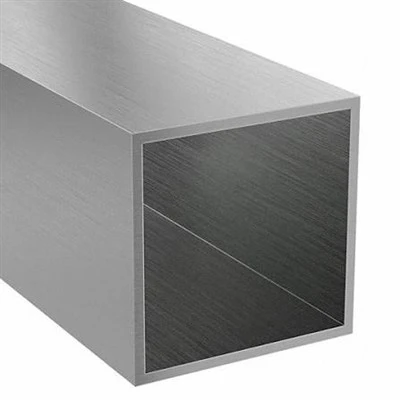
First, let’s start with the semi product, because that’s what I live and breathe every day. When my team runs our stamping presses, our plastic injection molds, or our CNC lathes, what we crank out every shift isn’t a part that fits into a group of other parts—at least not on our end. It’s a single, standalone unit that’s been processed all the way to the point where it meets your basic industry specs, but it hasn’t been paired with anything else yet. Let’s use an example we make all the time: aluminum window brackets. A lot of our customers are window manufacturers who buy these from us, and when they get them, they’re just raw (well, finished aluminum) brackets—no screws, no rubber seals, no nothing. They’re a complete part on their own, but they’re not done being integrated into their final product. That’s the semi product.
I know some of you might be thinking, “Wait, isn’t that just a component?” Yeah, kind of, but component is a super broad term. A semi product has that specific “half-finished but still standalone” vibe. Think of it like when you bake cookies: you mix the dough, roll it out, cut the shapes, and pop them in the oven. That baked cookie is a semi product. It’s not done yet (you add frosting later), but it’s a finished, usable unit that no one has to mess with the core of anymore. You don’t have to re-roll it or re-cut it; it’s ready for the next step in someone else’s process.
And here’s the key thing about semi products that makes my job matter: they’re made to be flexible. A lot of our customers don’t just make one type of window—they make residential, commercial, different sizes, even different brands. So our aluminum brackets are designed to work with all of those. We don’t drill holes for a specific window size or add a seal that only fits one model. That flexibility is why companies come to us instead of trying to make them in-house. If you’re a small window maker, buying semi products means you don’t have to invest in stamping presses, tooling, or the skilled labor to run them. You can just focus on what you’re good at: putting the window together, fitting it to a house, whatever.
Now, subassemblies. Those are different. A subassembly is two or more parts that have already been put together to make a smaller, pre-tested unit that fits into the final product. Let’s go back to the cookie example. If you take two baked cookies, put a layer of frosting between them, and make a cookie sandwich, that’s a subassembly. It’s not the final cookie for a party (you’d wrap it or add sprinkles next), but it’s a group of parts that are attached and ready to go into something bigger. In our industry, if a customer ordered a window bracket subassembly, that would mean we’d not only stamp the aluminum, but drill the exact holes for their specific window frame, add a rubber seal made to their specs, and maybe even pre-install a screw or two that their line doesn’t have time to add. It’s a unit that’s partially assembled, so the customer doesn’t have to do that work.
Subassemblies are great, but there’s a catch: they’re way less flexible than semi products. If that window maker decides to switch to a slightly different frame size, the subassembly we made wouldn’t fit. The holes are already drilled, the seal is cut to a specific length. They’d have to order a whole new set of subassemblies, which takes time and money to change tooling and adjust. With semi products, they just adjust their own in-house process—drill new holes, cut a different seal—and they’re good to go. That’s why a lot of my regular customers, the ones who do a lot of custom work, stick with semi products from me instead of going the subassembly route. They get the control over their own process, which is huge when you’re dealing with small batch sizes or frequent product changes.
I’ve seen a lot of confusion between these two over the years. Early on, when I first started at this company (back when we were a tiny shop with two stamping presses and three guys running them), a window manufacturer called and ordered “subassembled window brackets.” I thought, cool, that’s easy—we can add the seals and the screws. So we did, sent them a pallet of 10,000 pre-assembled brackets. A week later, they called furious. Turns out, their in-house team had a machine that drilled the holes after the brackets were on the frame, so they didn’t want pre-drilled holes. They wanted the plain brackets, no extra parts, so they could drill their own. I messed up because I mixed up semi product and subassembly, and that cost me that customer for almost two years. They were right to be mad, too—they had to take all those subassemblies apart, which was a waste of their time.
That mistake taught me the most important rule here: when you’re sourcing parts, be specific about what you need. Don’t just say “window brackets.” Say “aluminum semi product brackets, plain, no pre-drilled holes, 2 inches long, thickness 0.125mm.” If you need pre-assembled ones, say subassembly, and specify exactly what parts are included. That little difference saves everyone a ton of hassle.
Another way I explain it to new buyers: semi products are for when you want to do the next step yourself. Subassemblies are for when you want someone else to do that step for you. Let’s use car parts, since that’s a big customer base for us too. A car door handle semi product is a raw metal handle, no springs, no button, no nothing. The car manufacturer can attach the spring, the button, whatever fits their assembly line. A door handle subassembly is the handle, spring, button, and even the trim piece all put together, ready to snap into the door. Same core part, totally different use case.
And it’s not just manufacturing—this plays into inventory and costs, too. Let’s say you’re a plant that makes 50 different products, all needing the same basic part. If you buy semi products, you can keep a stock of the base part, and then adjust it as needed for each product. That means less inventory space, less money tied up in parts you might not use. If you buy subassemblies, you have to have a different part for each product, so your inventory costs go up. I’ve had customers tell me that switching from subassemblies to semi products from us cut their parts inventory by 30% in the first year. That’s real money, not just numbers on a spreadsheet.
But subassemblies aren’t bad, don’t get me wrong. They’re perfect for when you have a high-volume product, like a basic pickup truck door that’s made millions of times. If you know you’ll never change the design, subassemblies make sense—they speed up your line, because you don’t have to do that assembly step in-house. You just get the pre-made unit, drop it in, and move on. But if you’re a mid-sized manufacturer doing custom work, or you launch a new product every year, semi products are way more flexible.
As a semi product supplier, that’s why we tailor everything we do to give customers that flexibility. We keep our tooling set up for quick changes—if a customer comes to us on Monday with a new bracket size, we can adjust the press and have parts ready by Wednesday. We don’t lock you into a specific part, because we know your business might change. We test every semi product we make to make sure it meets industry standards—no burrs on the edges, the right thickness, no defects—so you don’t have to waste time checking every single part. Our job is to give you a high-quality base that you can trust, so you can focus on your own work, not fixing bad parts.
I also get a lot of questions from small business owners who are just starting out, like “Should I buy semi products or subassemblies?” My answer is almost always: if you’re just getting your line up, start with semi products. Subassemblies might seem easier, but they hide part of the process. If you have a problem with a subassembly, you have to go back to the supplier to fix it, instead of troubleshooting it in-house. When you have semi products, you learn how each part works, you can adjust it to fit your line, and you build that skill in your team. Once your line is stable and you know exactly what you need, then you can look at subassemblies if that makes sense.
Another example: a couple of years ago, we had a customer who made custom outdoor lighting fixtures. They were a team of 5 guys, making 50 fixtures a week at first. They started out buying subassembled metal housings from a supplier, but every time they changed the design of a fixture, they had to wait 2 weeks for the subassemblies, and they cost 40% more. They switched to buying our semi product metal housings. Now they adjust the size, drill their own holes, add their own wiring and hardware, and they can have new designs ready in 3 days. Their costs went down, their output went up, and they were able to take on bigger orders. That’s the power of semi products—they let small businesses grow without being tied down by inflexible parts.
Of course, there are times when subassemblies are the right call. Last year, a big appliance maker came to us because one of their suppliers of refrigerator door hinges was behind on deliveries. They needed 50,000 hinges pre-assembled with the pins and seals, because their line was already set up to just drop the hinge into the door. They couldn’t switch to semi products last minute, because adjusting their line would have cost them a lot in downtime. So we made the subassemblies for them, got them delivered in 3 days, and they didn’t lose a single shift. That’s where our flexibility as a supplier comes in, too—we can make either semi products or subassemblies, we just need to know what you need before we start.
The biggest takeaway here, though, is that it all comes down to control and flexibility. If you want control over your process, if you might change your design, if you have small or custom runs, go semi product. If you want speed, if you have a stable high-volume product, if you don’t want to deal with extra steps in your line, subassemblies work. And the worst thing you can do is mix them up, which leads to delays, extra costs, and frustrated teams.
At the end of the day, my job as a semi product supplier isn’t just to stamp metal or mold plastic. It’s to give you a part that fits your business, that doesn’t hold you back. I’ve been doing this long enough to know that every customer’s needs are different, and there’s no one right answer for everyone. But taking the time to understand the difference between semi products and subassemblies is the first step to getting the parts that work for you.
If you’re tired of dealing with rigid parts that don’t fit your line, if you need a flexible supplier who can adjust to your needs, hit us up. We can walk through your project, figure out if semi products are the right fit, or if subassemblies make more sense for what you’re building. No sales pitch, no fine print, just real talk about parts that work for your business.
Pre-Engineered Buildings Industry References:
- Groover, M. P. (2020). Fundamentals of Modern Manufacturing: Materials, Processes, and Systems (7th ed.). Wiley.
- Manufacturing Extension Partnership. (2022). Sourcing Components for Custom and High-Volume Production. National Institute of Standards and Technology.
- Kalpakjian, S., & Schmid, S. R. (2021). Manufacturing Processes for Engineering Materials (8th ed.). Pearson.
- Society of Manufacturing Engineers. (2023). Best Practices for Component Sourcing and Inventory Management. SME.
Raysteel Resources
As one of the most professional semi product manufacturers and suppliers in China, we also support customized service. Please feel free to wholesale cheap semi product in stock here from our factory. For price consultation, contact us.
Address: Unit 2102, Jingjin International Center, NO.18 Hejiang Road, Heping District, Tianjin, China
E-mail: info@tjrsr.com
WebSite: https://www.tjrsr.com/
