If you’ve ever worked with power distribution systems, you’ve probably encountered cast resin dry-type transformers—they’re everywhere in offices, hospitals, factories, and even residential high-rises, thanks to their safety and low maintenance. But one question I get asked all the time by both new clients and folks switching from oil-type units is: how do these bad boys stay cool? Unlike oil-filled transformers that use liquid to carry heat away, cast resin units rely on air, but there’s way more to it than just letting air circulate freely. As someone who’s been supplying these transformers for over a decade, I’ve seen firsthand how the right cooling method doesn’t just keep units running—it extends their lifespan and cuts down on downtime. Let me break this down in plain terms, no engineering jargon overload, and explain what actually works for cast resin dry-type transformers. Cast Resin Dry Type Transformer
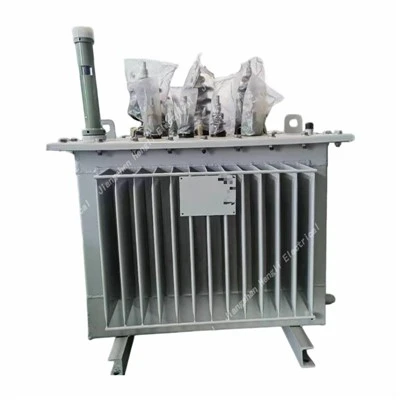
First, let’s get the basics straight: why cooling matters here. Cast resin transformers have windings wrapped in resin, right? That resin is great for insulation and fire safety, but it’s not a fan of overheating. If the internal temperature climbs too high—say, above 150°C for most standard units—the resin can degrade, the windings can get damaged, and suddenly you’re looking at expensive repairs or a full replacement. So the cooling system’s job is to pull the heat generated by electricity flowing through the windings and core out into the surrounding air, where it can disperse.
The most common cooling method for standard cast resin units is AN Mode, short for “Natural Air Cooling.” Yeah, it’s exactly what it sounds like—no fans, no extra gear, just relying on convection. When the transformer runs, the core and windings heat up. Warm air is less dense, so it rises up through the transformer’s core and windings, pulling cooler air in from the bottom of the unit. This slow, steady airflow carries heat away from the resin windings and core, radiating it out to the room.
I know what some of you are thinking: “Wait, if it’s just natural air, why do some units feel warm to the touch when they’re running?” That’s normal. Cast resin transformers don’t run cold—they’re designed to operate at a safe temperature (usually around 80-100°C for natural cooling) and that warmth is the heat being released. The big plus here is simplicity: no moving parts means less to break, lower maintenance costs, and perfect for spaces where noise is a concern—like hospitals, libraries, or quiet office buildings. It’s also the most budget-friendly option if your load doesn’t change a lot over time. But AN Mode has limits: it’s only rated for the transformer’s “self-cooled” kVA, so if you need more power later, you’re stuck without extra cooling.
That’s where AF Mode comes in—“Forced Air Cooling.” This is the upgrade option we supply for clients who need a little more oomph from their transformer. AF Mode adds small, efficient fans mounted on the side or bottom of the unit, blowing cool air directly over the windings and core. More airflow means more heat pulled away, so the transformer can handle up to 50% more kVA than its natural rating. Let me put that in perspective: if you have a 1000 kVA transformer with AN Mode, it can go up to 1500 kVA with AF Mode. That’s a game-changer for growing factories, new construction projects, or spaces where load might spike—think a factory running an extra shift, or an office adding a whole new wing with more servers.
Here’s a tip I give all my clients: when you go with AF Mode, make sure the fans are variable speed. If the load is light, the fans run slower, saving energy; if the load ramps up, they kick up to full speed to keep temperatures in check. No sense wasting electricity on max airflow when you don’t need it. The downside? Fans are moving parts, so you’ll have to check them periodically (usually once a year) to make sure they’re clean and running smooth. But for most clients, that tiny bit of maintenance is worth the extra power they get out of their transformer.
Wait, are there other cooling methods? Rarely, but occasionally we get custom requests for extreme environments—like a factory in a hot climate, or a space with super tight airflow. Some suppliers might talk about water cooling, but I’ll be honest: water cooling for cast resin transformers is overkill and not super common. Why? Because cast resin units are designed for air cooling, adding water lines adds complexity, more points of potential leakage, and most spaces have enough ambient air to keep them cool if you size the transformer right. The only time we even consider it is for really high kVA units (above 2500 kVA) in areas where ambient temperatures are consistently above 40°C. Even then, I still push for forced air cooling first—we’ve had great results with it, and clients don’t have to deal with the hassle of water maintenance.
A lot of new clients mix up cooling methods with insulation ratings, so let me clear that up. The resin’s insulation class (like Class F or Class H) tells you the maximum temperature it can handle. Class F is 155°C, Class H is 180°C. A better insulation class doesn’t mean a better cooling system—it means the transformer can run hotter, so you have a little more buffer if cooling is slightly less efficient. But no matter the insulation class, your cooling method is what keeps the temperature within that safe range. For example, a Class F transformer with natural cooling will run at around 100°C, leaving 55°C of buffer—plenty of room for load spikes.
Now, how do we pick the right cooling method for a client? It’s not one-size-fits-all, which is why I always ask clients a few key questions when they reach out. First: what’s your max load now, and what do you expect it to be in the next 5-10 years? If it’s a small store that’s not expanding, natural air cooling is perfect. If it’s a growing warehouse that might add more equipment, forced air is a no-brainer. Second: noise level requirements. Hospitals can’t handle loud fans, so even if they have a slightly higher load, we’ll make sure the AF Mode fans are ultra-quiet. Third: ambient temperature. If your space is usually hot (like a metal factory without AC), forced air is better because it moves more air to combat the heat.
I’ve seen clients make mistakes here. A few years back, a small retail chain bought 10 500 kVA transformers with natural cooling, thinking they’d never need more power. Then they added a bunch of refrigerators, lighting, and a self-checkout system, and suddenly the transformer was overheating—we had to go back and upgrade each one to forced air, which cost them way more than if they’d just gone with AF Mode in the first place. It’s always better to future-proof a little when you’re investing in a transformer; it’s not a cheap purchase, so making sure the cooling method can grow with your business saves you money down the line.
Another thing that affects cooling: installation. It’s not just the method itself—where you put the transformer matters. If you stuff it in a closet with no airflow, even a forced air transformer will overheat, because the fans are blowing air into a tiny, closed space. I always advise clients to leave at least 12 inches of clear space on all sides of the transformer for air circulation. For outdoor installations, we add weather-resistant enclosures, and sometimes extra vents around the unit to make sure airflow isn’t blocked by walls or fences.
Maintenance also plays a role in keeping the cooling system working. For natural cooling units, just a quick check once a year to make sure the air intakes and vents aren’t blocked by dust, debris, or stored items. For forced air units, you also need to clean the fan blades and make sure the wiring is tight. A lot of people forget that dust builds up on the windings over time, which insulates them and makes cooling less effective—so a yearly cleaning (by a pro, of course) goes a long way.
At the end of the day, the cooling method for cast resin dry-type transformers is all about balancing your current needs, future growth, and the environment. It’s not flashy, but it’s the backbone of how the transformer runs safely and reliably for 20+ years. As a supplier, my job isn’t just to sell you a transformer—it’s to help you pick the right cooling setup that fits your space, budget, and plans. If you’re not sure which method is right for you, feel free to reach out to our team to talk through your project. We can walk through your load requirements, space constraints, and any special needs, so you end up with a transformer that runs smoothly for years to come.
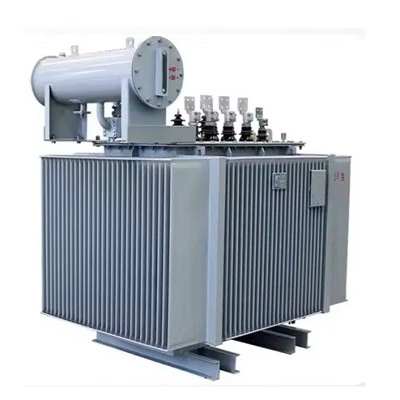
When it comes to power equipment, there’s no “one size fits all” especially for cooling. Cast resin transformers are a solid choice, but getting the cooling right is what makes them work for your specific setup. Don’t hesitate to connect with us to get personalized guidance—we’re here to help you every step of the way.
Energy Efficient Distribution Transformer References
- IEEE Std C57.12.01™, “Standard for General Requirements for Dry-Type Distribution and Power Transformers,” Institute of Electrical and Electronics Engineers
- National Electrical Code (NEC) Article 450, “Transformers,” National Fire Protection Association
- Cast Resin Transformer Technical Manual, International Council on Large Electric Systems (CIGRE)
Zhejiang Jiangshan Hengli Electrical Co., Ltd.
Zhejiang Jiangshan Hengli Electrical Co., Ltd. is one of the most professional cast resin dry type transformer manufacturers and suppliers in China, featured by quality products and low price. Please rest assured to wholesale cheap cast resin dry type transformer in stock here and get pricelist from our factory. Customized orders are welcome.
Address: 212 Fuzhu Street Sidu Town, Jiangshan, Zhejiang, China
E-mail: henglijs@foxmail.com
WebSite: https://www.henlypower.com/
