Hey everyone, Grasping Forceps
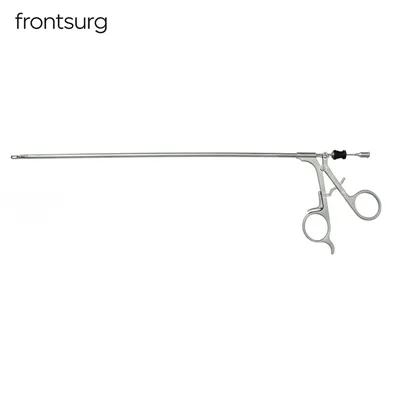
If you’ve ever picked up a pair of grasping forceps for a job that didn’t require a sterile setup—like pulling weeds, rearranging parts on a messy workbench, or retrieving small items from a tight, dirty space—you know not all forceps are made equal. As a grasping forceps supplier, I chat with folks all the time who ask, “Can I just use any old pair for this non-sterile gig?” The short answer? Yeah, technically you can—but you’ll end up replacing them way sooner, or worse, dealing with a job that goes sideways because you grabbed the wrong tool. Today, I’m breaking down the key things I walk every buyer through when they’re picking forceps for non-sterile work—stuff that’s not just “industry jargon” but actually saves you time, cash, and headaches.
First off, let’s get one thing straight: non-sterile fields are super broad. I’m not just talking about a doctor’s waiting room corner here. Non-sterile work ranges from manufacturing line assembly (think grabbing tiny metal screws off a moving conveyor) to landscaping (picking up thorny prunings or small rocks from garden beds) to even DIY projects in a garage—like pulling a broken screw out of a wall you can’t reach. Each of these environments is totally different, so your first consideration is matching the forceps to the actual job’s grime and wear and tear. Let’s take an example: a landscaper recently hit me up, saying his cheap drugstore forceps rusted through in two weeks because he kept using them in wet, muddy soil. That’s a no-brainer, but you’d be surprised how many people skip over material specs just because they see a cheap price tag.
Material is non-negotiable for non-sterile fields, since you’re not dealing with disinfectant or autoclaving like in a hospital setting. First, stainless steel is the workhorse here—but not all stainless steel is the same. 300-series stainless (like 304 or 316) is durable enough for most garage, landscaping, and manufacturing jobs; it resists rust from moisture and light chemicals, and it holds its shape even when you’re squeezing hard on something stubborn. But if you’re working with salty stuff—like coastal landscaping, where salt air eats through cheap metal—316 stainless is worth the extra few bucks. It’s more corrosion-resistant than 304, and I’ve seen those pairs last years longer in salty environments. On the flip side, if you’re doing super light work, like picking up small electronics parts on a dusty workbench, maybe a lightweight aluminum pair works? Just skip the cheap aluminum ones—they bend way too easy when you’re pulling something tight. And for jobs where you don’t want scratches on whatever you’re grabbing? Maybe a nylon-coated or polymer-tipped pair—they’re gentler, don’t leave marks, and resist chemical spills way better than bare metal. I had a customer in the food packaging industry (that’s totally non-sterile, by the way—most food processing is clean but not sterile) use bare metal forceps for grabbing plastic packaging and ending up with tiny metal scratches on the packaging. Switched to polymer tips, problem gone.
Next up, tip design. This is where so many people mess up. In sterile fields, you might have smooth, rounded tips for delicate tissue, but non-sterile work is all about grip—and not slipping, especially when your hands are sweaty, dirty, or covered in oil. Let’s run through common tip types and what they’re good for: straight vs. curved? Straight tips are for flat, open work, like picking up parts on a workbench. Curved tips are your go-to for tight spaces—like grabbing a bolt from the back of a machine, or a tiny seed from a seed packet. But the big one is serrations. Serrated tips (the little grooves on the inside) are perfect for slippery stuff—like plastic, rubber, or oily metal. But if you’re grabbing soft, fragile things, serrations can leave marks or even tear the material. I had a customer who uses forceps to pick up small glass samples in a non-sterile lab setting (wait, that’s a real thing—some labs only need clean, not sterile) got frustrated when serrated tips chipped his glass. Switched to smooth, fine-pointed tips that held the glass without scratching. Another example: a mechanic I work with uses cross-serrated forceps for pulling broken wire out of engine wiring harnesses—those cross grooves grab the wire so it never slips mid-pull, which saves him from having to re-do work. Also, tip size matters a lot. If you’re grabbing a 1mm screw, you need a tip that’s narrow enough to get around it, not a giant pair meant for holding large pipe. I see this all the time—someone buys a big pair because they’re cheap, and they can’t grab small parts, so they waste 10 minutes fumbling around instead of using the right tool.
Then there’s handle comfort and grip, because non-sterile work is rarely a one-minute job. How many times have you used a tool that hurts your hand after 5 minutes? Forceps are no different. A lot of cheap forceps have thin, rigid metal handles that dig into your palm when you’re squeezing repeatedly. If you’re using them for an hour (like someone assembling 100 small parts a day), that leads to blisters, fatigue, and even mistakes—like dropping a part because your hand is sore. Look for handles with textured rubber or plastic grips. They don’t just feel better—they’re way more slip-resistant when your hands are covered in grease, dirt, or sweat. I designed a mid-range forceps line last year with ergonomic, ribbed grips specifically for manufacturing workers, and the feedback has been insane—users say they can work twice as long without hand fatigue, and error rates dropped because they’re not struggling to hold the tool. Another handle thing: lockable vs. non-lockable. Locking forceps are great when you need to hold something in place for a while—like holding a nut while you tighten a bolt, or a small part while you glue it. But if you’re just grabbing and releasing over and over, locking ones might be overkill, and the lock can get gunked up with dirt or mud in non-sterile settings, making them hard to use. That’s another choice to weigh: do you need that lock, or is it just extra stuff that will get clogged?
Wait, let’s talk about durability and resistance to gunk, because non-sterile fields are messy. You’re not wiping forceps down with sterile wipes after each use—you might be dropping them in mud, getting them covered in oil, or leaving them out in the rain. So the surface of the forceps shouldn’t have crevices where dirt can get stuck. Cheap forceps often have rough, cast-metal handles with tiny gaps that hold grime, making them hard to clean (even though it’s non-sterile, you still want to get the gunk off so they don’t rust or get stuck). Look for polished or smooth-finished handles and tips—they’re way easier to rinse off with a hose or a rag and water. Also, pivot points: the part where the two halves of the forceps meet. In non-sterile settings, this pivot can get clogged with sawdust, metal shavings, or mud, making the forceps stiff and hard to squeeze. Some forceps have sealed pivots that keep gunk out—super important for jobs where you’re working with lots of debris. I had a customer in the construction industry who uses forceps to pull small nails and screws out of concrete scrap—his old, unsealed forceps would get concrete dust in the pivot every week, and he’d have to take them apart to clean them. Switched to sealed pivot ones, and he hasn’t had to take them apart in 6 months. Game changer.
Oh, and don’t forget about chemical resistance, even if it’s non-sterile. You might be working with cleaning chemicals, paints, solvents, or even food-grade chemicals (if you’re in that industry) that can eat through certain materials. For example, if you’re in a car repair shop and using forceps to pick up parts near a spray paint booth, the paint thinner can corrode cheap coated handles. 316 stainless or polymer coatings that are rated for industrial chemicals are way better here. I once had a customer in the agricultural industry use forceps to handle fertilizer pellets—common fertilizer chemicals ate through the cheap plastic coated tips on his old forceps, leaving the metal tips exposed and rusting. Switched to chemical-resistant polymer tips, and now they handle fertilizer, pesticides, and even wet soil without a problem.
Wait a second, let’s make this personal. I’m not just a supplier sitting in an office— I’ve been on job sites with these tools, testing them, talking to actual users. Last summer, I was at a small manufacturing shop where the owner was using $5 pair of forceps from a big box store, and he was going through 4 pairs a month. When I asked why, he said they bent, rusted, and the tips wore out from grabbing hot metal parts off a stamping machine. We showed him our 304 stainless steel forceps with textured grips and sealed pivots, and he tried them. Six months later, he called me to say he only had to order one pair since— way less cost, way less downtime. That’s the kind of win I care about, not just making a sale. Because when non-sterile work, the tool is there to make your life easier, not add more work.
Now, let’s bust a common myth: a lot of people think “non-sterile means it doesn’t matter”—but that’s the opposite of true. In sterile settings, you have clear rules and tools meant for that exact environment, but non-sterile is so varied that one size does NOT fit all. If you grab the wrong forceps for your non-sterile job, you’re looking at things like: parts slipping and getting lost, tools breaking mid-job, having to replace them every few weeks, or even damaging whatever you’re working on. For a small landscaping business, that means more money spent on tools, less time taking care of customers. For a manufacturing shop, that means downtime on the line, which hits profits hard. For a DIYer, that means frustration and wasted time.
So when you’re shopping for grasping forceps for a non-sterile field, what should you actually do? First, map out your exact job: what are you grabbing? What’s the environment like (wet, salty, dusty, oily)? How long will you use them per session? Do you need a lock? What size tips do you need? Then, check the material specs—don’t just go by the price tag. Look for smooth, easy-to-clean surfaces, sealed pivots if you’re dealing with lots of debris, and grips that feel comfortable for your hand. And if you’re not sure, ask a supplier that actually knows what they’re talking about (not just the big box folks who can recite a catalog). I always tell customers, “Tell me what you’re grabbing, where you’re using it, and how hard you’re squeezing— I’ll point you to the right pair, no guesswork.”

If you’re in the market for grasping forceps for non-sterile work—whether it’s landscaping, manufacturing, food processing, garage projects, or anything in between—we’ve got options built for every job. We don’t do one-size-fits-all garbage here, and we test every pair with actual on-site use to make sure they hold up. Don’t waste money on cheap forceps that will break in a month—reach out to us to chat about your specific needs, and we’ll help you find the right tool that makes your work easier, not harder.
Endoscopes References
- Occupational Safety and Health Administration. (2022). Hand Tool Selection and Use in Non-Industrial Settings. OSHA 3381-05N.
- ASTM International. (2021). Standard Specification for Grasping Forceps for General Purpose Non-Sterile Applications. ASTM F2111-21.
- National Institute for Occupational Safety and Health. (2020). Preventing Hand Injuries from Hand Tools in Small Manufacturing Facilities. NIOSH Publication 2020-105.
Frontmed (Hangzhou) Trading Co., Ltd.
Frontmed (Hangzhou) Trading Co., Ltd. is one of the most experienced grasping forceps manufacturers and suppliers in China, also supports custom service. Please rest assured to wholesale high quality grasping forceps made in China here from our factory. Contact us for more details.
Address: Room 406, Building 6, No.1688 Chunjiang East Rd, Tonglu, 311500, Hangzhou
E-mail: alex@frontsurg.com
WebSite: https://www.frontsurg.com/
